When it comes to cosmetic treatments, Botox is one of the most popular procedures worldwide. Known for its ability to reduce fine lines and wrinkles, it has become a trusted choice for both men and women seeking youthful, smoother skin. In fact, Botox in Islamabad is now widely available, offering individuals a safe and effective solution to combat signs of aging. But have you ever wondered what Botox really does beneath the surface of your skin? Let’s explore the science behind Botox and how it transforms your appearance.
Understanding Botox: What It Is
Botox is a purified protein derived from the bacterium Clostridium botulinum. While the term may sound intimidating, in controlled medical and cosmetic use, Botox is completely safe. It has been used for decades in both aesthetic and therapeutic fields. In cosmetic dermatology, it is specifically designed to target facial wrinkles caused by repetitive muscle movements, such as frowning, smiling, or squinting.
The Science Behind Botox
To truly understand how Botox works beneath the skin, we need to look at how our muscles and nerves interact. Wrinkles often form due to constant contraction of facial muscles. When you smile or frown, the nerves release a chemical messenger called acetylcholine, which signals the muscle to contract. Over time, these repeated contractions create lines and creases on the skin’s surface.
Beneath the Surface: What Happens After Injection
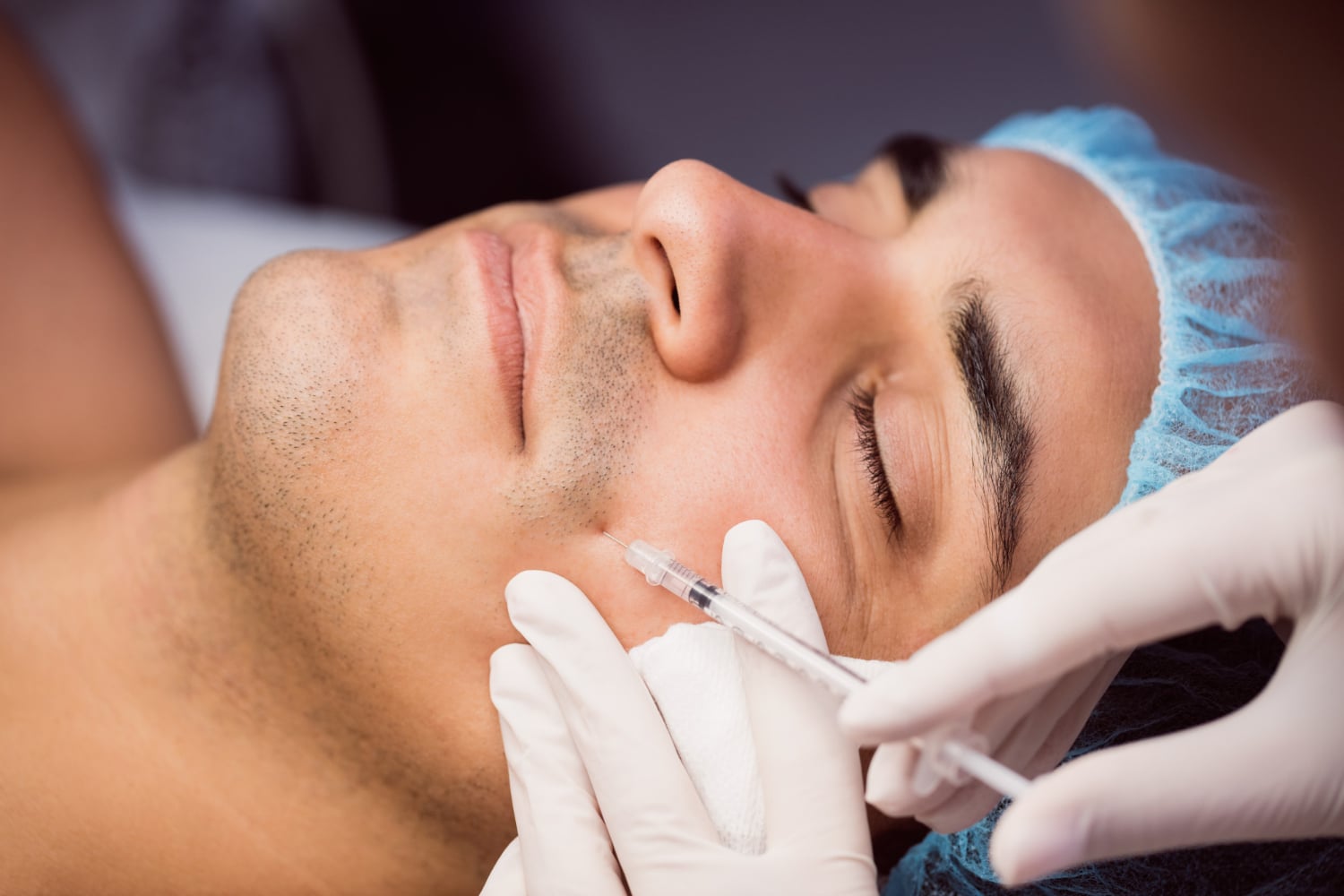
When Botox is injected into a specific facial muscle, several things happen beneath the skin surface:
Muscle Relaxation
The most immediate effect is muscle relaxation. The targeted muscles lose their ability to contract fully, which reduces the formation of expression lines such as crow’s feet, forehead lines, and frown lines.
Smoothing of the Skin
As the muscles stop contracting, the skin above begins to flatten. This leads to a visible reduction in wrinkles. Over time, the skin may also repair itself naturally, as it gets a break from repetitive folding.
Gradual Onset of Results
Botox does not work instantly. It usually takes 3 to 7 days to see noticeable results, with full effects appearing after about two weeks. Beneath the skin, the protein is actively preventing nerve signals from reaching the muscles during this period.
Temporary Effect
Botox is not permanent. The body slowly metabolizes it, and nerve communication is eventually restored. Typically, results last between 3 to 6 months, depending on the individual’s metabolism, lifestyle, and treatment area.
Common Treatment Areas for Botox
Different facial muscles contribute to different types of wrinkles. Botox injections are commonly used in the following areas:
Forehead lines: Caused by raising eyebrows repeatedly.
Glabellar lines: The frown lines between eyebrows.
Crow’s feet: Wrinkles around the eyes due to smiling or squinting.
Bunny lines: Small creases on the nose.
Neck bands: Vertical lines caused by neck muscle activity.
By targeting these areas, Botox ensures smoother, softer-looking skin.
Myths vs. Facts About Botox
There are many misconceptions about Botox. Let’s clear up a few:
Myth: Botox freezes your face.
Fact: When done by a professional, Botox only relaxes specific muscles. You can still show natural expressions.
Myth: Botox is only for older people.
Fact: Many younger individuals use Botox as a preventive measure to slow down the formation of wrinkles.
Myth: Botox is unsafe.
Fact: Botox has been FDA-approved for cosmetic use for decades and is considered safe when administered by trained professionals.
Botox Beyond Wrinkles
Interestingly, Botox isn’t only used for cosmetic reasons. Beneath the skin, its muscle-relaxing properties have medical benefits too. It is often used to treat conditions such as:
Chronic migraines
Excessive sweating (hyperhidrosis)
Overactive bladder
Muscle stiffness and spasms
This shows that Botox is not just about beauty—it also plays a vital role in medical treatments.
How Long Do Results Last?
As Botox gradually wears off, muscle activity returns, and wrinkles may slowly reappear. Most people choose to repeat treatments every 4 to 6 months to maintain results. The good news is that regular use of Botox can actually “train” your muscles to contract less aggressively, meaning wrinkles may become less noticeable over time even without constant treatments.
Who Is a Good Candidate for Botox?
Botox is suitable for most healthy adults who want to reduce dynamic wrinkles (those caused by movement). Ideal candidates include:
Individuals with early signs of aging.
Those seeking non-surgical rejuvenation.
People wanting preventive care to delay deeper wrinkle formation.
However, pregnant women, breastfeeding mothers, or those with certain neurological conditions should avoid Botox treatments.
Conclusion
Botox is far more than just a cosmetic quick fix. Beneath the skin, it works on a scientific level to relax muscles, smooth lines, and give the skin a renewed appearance. It’s a minimally invasive treatment that offers both short-term improvements and long-term preventive benefits. With its growing popularity and effectiveness, Botox continues to remain a trusted choice for anyone seeking a youthful, confident look.
Comments