Dark circles under the eyes are a common cosmetic concern, often caused by factors like genetics, aging, or lack of sleep. Many people seek effective treatments to reduce their appearance, and one option that has gained attention is microneedling. While microneedling is widely known for improving skin texture and reducing scars, its role as a dark circle treatment remains a topic of discussion. Those exploring the Cost of dark circle treatments in Dubai may wonder whether microneedling is a viable solution. This article examines the effectiveness of microneedling for under-eye circles, how it works, and what to consider before opting for the procedure.
Dark Circles and Their Causes
Before diving into microneedling as a potential treatment, it’s essential to understand why dark circles form. The skin under the eyes is thinner than on other parts of the face, making blood vessels and pigmentation more visible. Common causes include:
Thin or Pale Skin
As we age, skin loses collagen and fat, making blood vessels beneath more noticeable. Fair-skinned individuals may also see more pronounced discoloration.
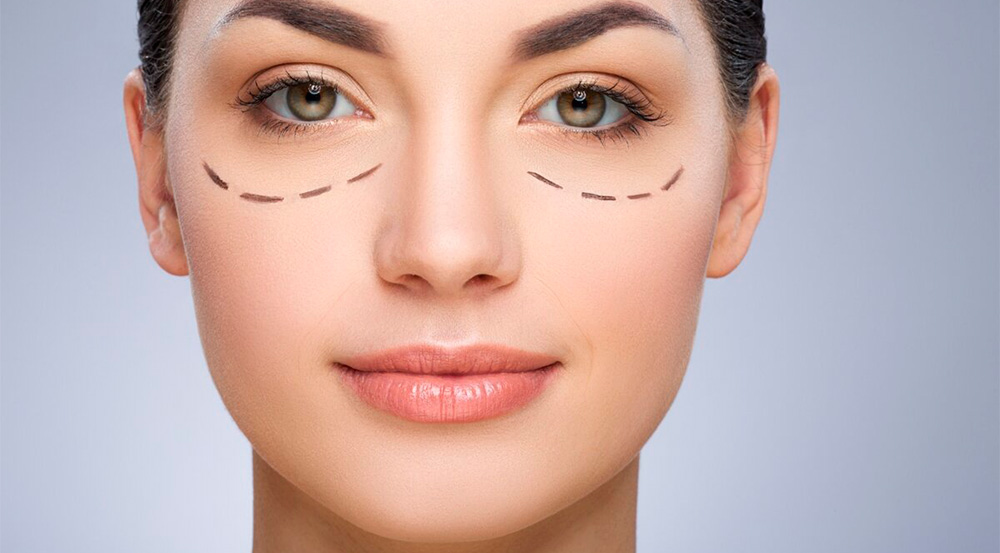
Hyperpigmentation
Excess melanin production due to sun exposure, genetics, or inflammation can lead to darker under-eye areas.
Volume Loss and Hollowing
A loss of fat or bone structure around the eyes can create shadows that mimic dark circles.
Poor Circulation and Fatigue
Lack of sleep or fluid retention can cause blood to pool under the eyes, resulting in a bluish tint.
How Microneedling Works for Skin Rejuvenation?
Microneedling is a minimally invasive procedure that uses fine needles to create controlled micro-injuries in the skin. This process stimulates collagen and elastin production, promoting skin repair and regeneration. While traditionally used for acne scars, wrinkles, and overall skin texture improvement, its application for dark circles is less straightforward.
The Science Behind Microneedling
When the skin is punctured with tiny needles, the body responds by increasing blood flow and triggering natural healing mechanisms. New collagen fibers form, which can thicken the skin and reduce the visibility of underlying blood vessels. Additionally, microneedling may enhance the absorption of topical serums, potentially improving pigmentation over time.
Can Microneedling Effectively Treat Dark Circles?
The effectiveness of microneedling for dark circles depends on their underlying cause.
For Thin or Aging Skin
Since microneedling boosts collagen, it may help thicken the under-eye skin, making blood vessels less visible. However, results vary, and multiple sessions are often needed.
For Pigmentation-Related Dark Circles
If hyperpigmentation is the primary issue, microneedling alone may not be sufficient. Combining it with brightening agents like vitamin C or tranexamic acid could enhance results.
For Hollows and Volume Loss
Microneedling does not replace lost volume. In such cases, treatments like fillers or fat grafting may be more effective.
For Vascular Dark Circles
If dark circles stem from poor circulation, microneedling’s ability to improve blood flow might offer mild improvement, but laser treatments typically work better for vascular concerns.
Potential Risks and Considerations
The under-eye area is delicate, making microneedling a procedure that requires precision. Possible risks include:
Skin Irritation: Redness, swelling, or bruising may occur post-treatment.
Uneven Results: Improper technique can lead to inconsistent skin texture.
Infection: Using non-sterile devices increases infection risk.
A trained professional should always perform under-eye microneedling to minimize complications.
Comparing Microneedling to Other Dark Circle Treatments
While microneedling has its benefits, other treatments may be more suitable depending on individual needs:
Chemical Peels
These exfoliate the skin and can reduce pigmentation but may not address thin skin or hollows.
Laser Therapy
Lasers target pigmentation and blood vessels more directly than microneedling.
Dermal Fillers
For volume loss, fillers can restore under-eye fullness, providing immediate improvement.
Topical Treatments
Retinoids and vitamin K creams may help but require consistent, long-term use.
What to Expect During and After Microneedling
A typical microneedling session for dark circles involves:
Numbing Cream Application – To minimize discomfort.
Device Use – A pen-like tool with fine needles is glided over the under-eye area.
Post-Treatment Care – Cold compresses and hydrating serums are applied to soothe the skin.
Recovery usually takes 24–48 hours, with mild redness or peeling possible. Full results may take weeks as collagen production increases.
Final Verdict:
Microneedling can be a supportive treatment for dark circles caused by thin skin or mild pigmentation. However, it is not a one-size-fits-all solution. Those with severe hollowing or vascular issues may need alternative treatments for optimal results. Consulting a dermatologist or skincare specialist is crucial to determine the best approach based on individual concerns.
Comments