Step-by-Step Djibouti eVisa Process for Polish Citizens
Travelers planning to explore Djibouti can now use the Djibouti online visa for Polish passport holders to make their journey easier and more convenient. Polish tourists visiting Djibouti can discover beautiful coastal scenery, desert landscapes, and famous natural attractions such as Lake Assal and the Gulf of Tadjoura. The online visa system helps travelers prepare for tourism, short holidays, and sightseeing trips before arriving in the country.
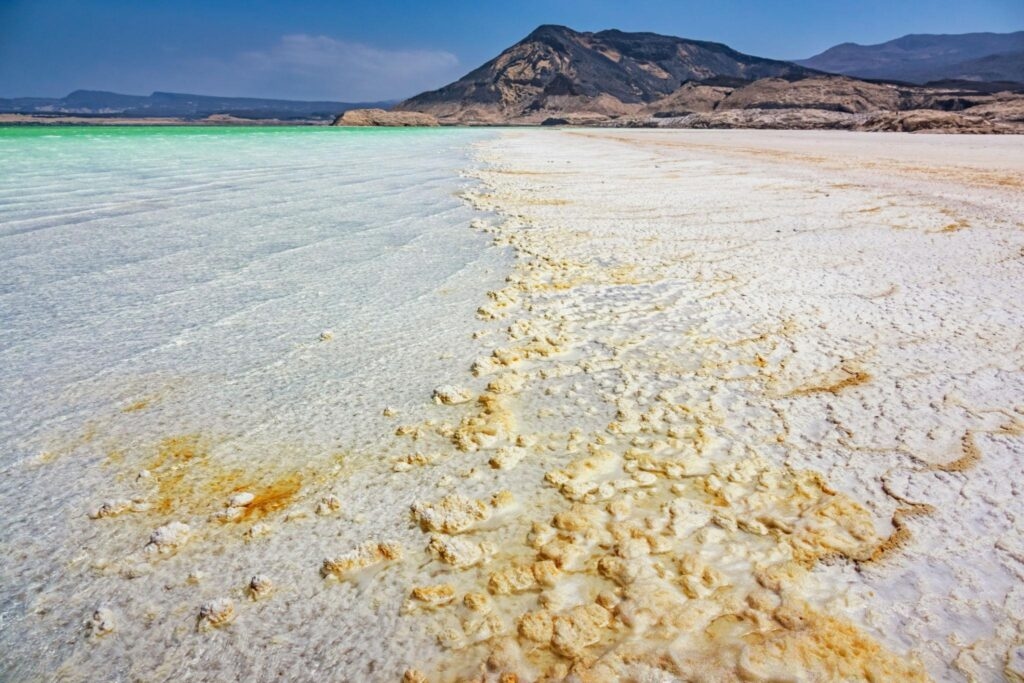
The Djibouti online visa for Polish passport holders is designed for short-term travel and allows visitors to complete the application process online with basic travel documents and passport details. Tourists from Poland often visit Djibouti for adventure travel, cultural experiences, and relaxing beach destinations. Applying online before departure can help travelers enjoy a smoother travel experience while planning their visit to Djibouti’s unique tourist attractions.
What Types of Djibouti eVisas Are Available for Polish Citizens?
Polish travelers visiting Djibouti can choose from different Djibouti eVisa categories depending on their travel purpose. These visa options are mainly designed for short-term visits such as tourism, transit, family visits, and business activities.
- Transit eVisa
- Number of Entries: Single Entry
- Maximum Stay: 14 Days
- Visa Validity: 14 Days
- Suitable for travelers passing through Djibouti on short transit journeys.
- Tourism eVisa
- Number of Entries: Single Entry
- Maximum Stay: 30 Days
- Visa Validity: 30 Days
- Ideal for sightseeing, holidays, beach travel, and exploring tourist attractions in Djibouti.
- Family or Social Visit eVisa
- Number of Entries: Single Entry
- Maximum Stay: 30 Days
- Visa Validity: 30 Days
- Designed for Polish citizens visiting friends, relatives, or attending social gatherings in Djibouti.
- Business eVisa
- Number of Entries: Single Entry
- Maximum Stay: 30 Days
- Visa Validity: 30 Days
- Best for attending meetings, conferences, trade activities, and short-term business visits.
What Are the Required Documents for Polish Applicants?
Gathering your digital files before opening the online portal ensures a smooth submission process. The electronic system enforces strict document validation rules, and submitting blurry images or mismatched data will result in immediate rejection.Polish citizens must scan and prepare the following five core items:
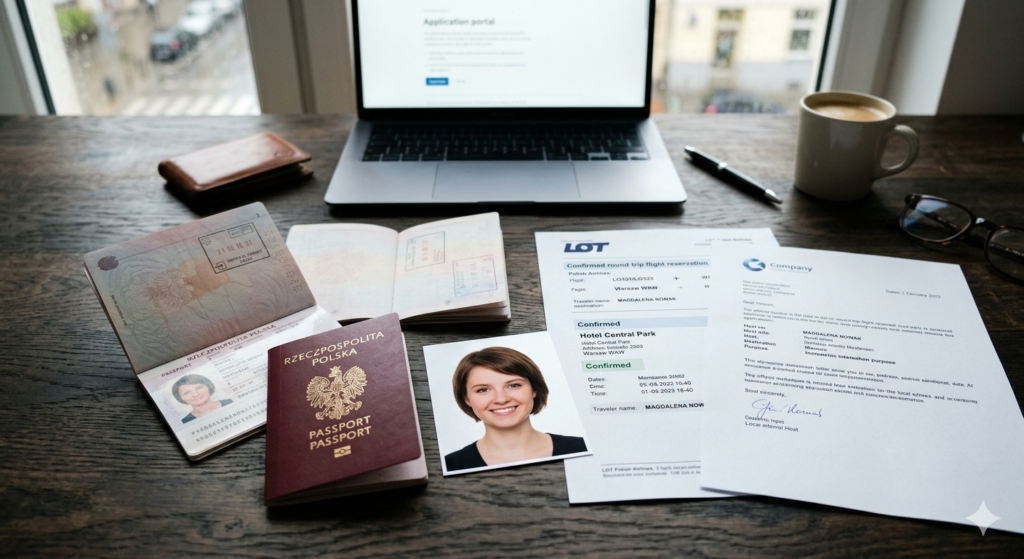
- Original Polish Passport: Your passport must possess a minimum validity period of at least 6 months extending beyond your planned date of arrival in the country. It must also contain at least two blank pages for border stamps.
- Applicant’s Digital Photo: A recent, high-resolution color photograph taken against a plain white background. Your facial features must be completely visible with no hats, sunglasses, or heavy hair accessories.
- Confirmed Hotel Booking: Clear proof of your local accommodation layout. This must display the hotel name, exact physical address, contact telephone numbers, and match the dates of your travel itinerary.
- Invitation Letter from a Host: If you choose the family/social or business tracks instead of a hotel stay, you must upload a signed letter from a verified local host or organizing company containing their full contact data.
- Flight Ticket and Travel Proof: A copy of your confirmed round-trip airline tickets or comprehensive travel itinerary showing your full legal name and exact entry/exit flight numbers.
How Long Does It Take to Process a Djibouti eVisa?
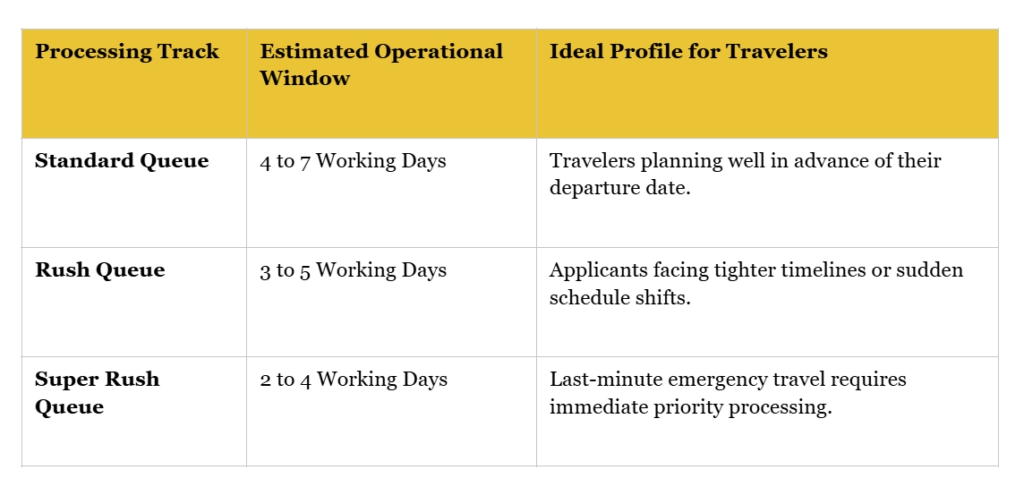
Processing speeds vary based on how quickly you need your travel authorization approved. The digital platform separates applications into three operational queues based on urgency. It is highly recommended to submit your application at least two weeks before your flight to account for any unexpected local public holidays or system updates.The options available for processing times are structured as follows:
How to Apply for a Djibouti eVisa Online?
Applying for a Djibouti eVisa online is a simple and convenient process that allows travelers to obtain travel authorization before departure. Applicants can complete the procedure digitally by submitting personal information, uploading documents, and receiving the approved eVisa electronically.
- Complete the Online Application Form: Enter personal details, passport information, and travel plans accurately in the digital application system.
- Upload Required Documents: Applicants usually need to provide a valid passport copy, a recent passport-style photograph, and supporting travel documents if requested.
- Review the Application Carefully: Double-check all information before submission to avoid mistakes that may delay processing.
- Submit the eVisa Request Online: Once all details and documents are completed, travelers can officially submit their application electronically.
Is Djibouti Safe for Tourists Visiting with an eVisa?
Djibouti is generally considered a safe destination for many international travelers visiting with an eVisa, especially in major cities and popular tourist areas. Visitors are encouraged to follow local regulations, remain aware of their surroundings, and prepare properly before traveling. Like any international destination, practicing standard travel safety measures can help support a smoother and more comfortable experience.
- Major Tourist Areas Are Generally Safe: Popular locations, hotels, and business districts usually maintain stable security conditions for international visitors.
- Follow Local Laws and Customs: Respecting local traditions, regulations, and cultural practices helps travelers avoid unnecessary problems during their stay.
- Keep Travel Documents Secure: Tourists should always carry copies of their passport, eVisa approval, and important identification documents.
- Use Trusted Transportation Services: Choosing licensed taxis, hotel transport, or reliable travel providers can improve personal safety while moving around.
- Avoid Isolated Areas at Night: Travelers are advised to remain cautious in unfamiliar or remote areas, especially after dark.
- Monitor Travel Advisories: Checking updated travel guidance and local news before and during the trip can help travelers stay informed.
- Stay Prepared for Weather Conditions: Djibouti experiences very hot temperatures in some seasons, so carrying water and planning outdoor activities carefully is important.
- Protect Personal Belongings: Visitors should keep valuables secure and remain alert in crowded public areas or transport hubs.
Can I Buy a SIM Card After Arriving in Djibouti with an eVisa?
Yes, travelers arriving in Djibouti with an eVisa can usually purchase a local SIM card after entering the country. Mobile SIM cards are commonly available at airports, mobile network shops, and major city locations. Having a local SIM card can help visitors access mobile data, make local calls, and stay connected during their trip.
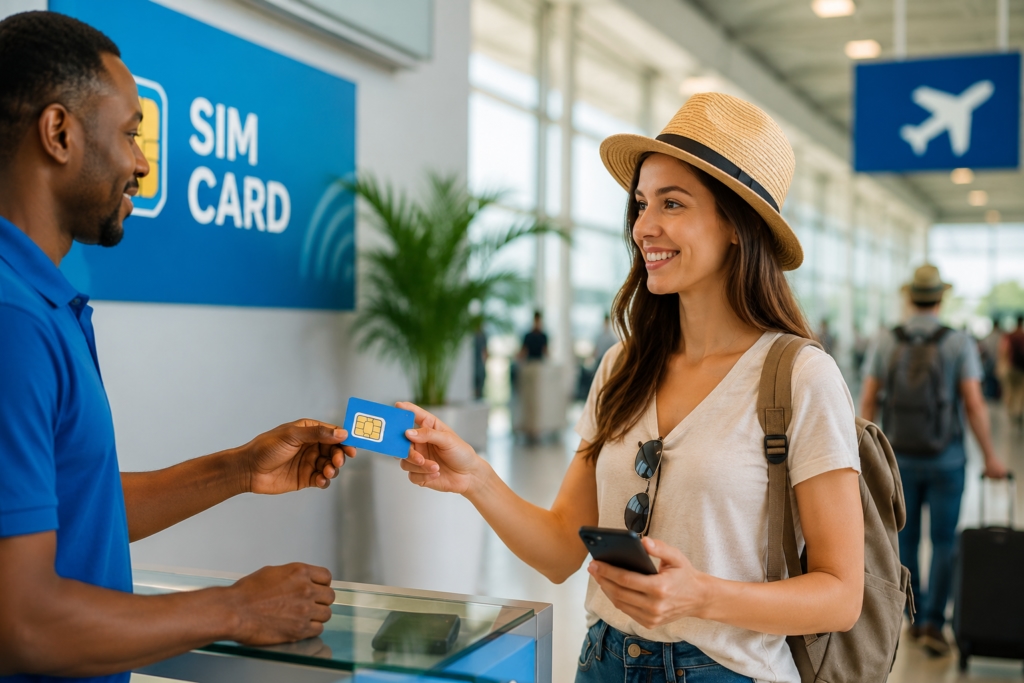
- SIM Cards Are Available for Tourists: International travelers can generally buy prepaid SIM cards after arrival in Djibouti.
- Available at Airports and City Shops: SIM cards are commonly sold at international airports, telecom stores, and authorized mobile retailers.
- Passport Identification May Be Required: Travelers are often asked to present their passport or travel document during SIM card registration.
- Prepaid Data Plans Are Common: Visitors can usually choose from different prepaid packages for internet access, local calls, and messaging services.
- Useful for Navigation and Communication: A local SIM card helps tourists use maps, hotel bookings, ride services, and travel apps more easily.
- Check Phone Compatibility: Travelers should confirm that their mobile device is unlocked and compatible with local networks before travel.
- Coverage Is Better in Main Cities: Mobile network access is generally stronger in major urban areas and tourist locations compared to remote regions.
- Keep SIM Registration Details Safe: Visitors should store purchase receipts or registration information for future reference if needed.
Is the Internet Available for Tourists in Djibouti with an eVisa?
Internet access is available for most tourists in Djibouti, especially in cities, hotels, and major travel areas. Mobile data and Wi-Fi services help travelers stay connected during their visit, although coverage may be limited in remote regions.
- Wi-Fi Is Common in Major Cities: Hotels, restaurants, and business centers in urban areas often provide internet access for visitors.
- High-Speed Connections in the Capital: The capital city benefits from stronger digital infrastructure and more reliable internet services.
- Mobile Data Supports Regional Travel: Travelers can use local SIM cards and mobile networks for internet access outside city centers.
- 4G and 3G Networks Are Widely Available: Main highways, towns, and populated regions generally offer stable mobile connectivity.
Which Countries Can Apply for a Djibouti eVisa Online?
Many international travelers can apply for a Djibouti eVisa through the online system without visiting an embassy. The eVisa process helps tourists, business visitors, and transit travelers receive travel authorization electronically before arrival. Eligible applicants can complete the application online by submitting required documents and passport details.
- Wide Nationality Eligibility – Citizens from many countries worldwide can apply for a Djibouti eVisa online.
- Djibouti eVisa Requirements for Portuguese Citizens
- Djibouti eVisa Application for Puerto Rico Travelers
- Djibouti eVisa Online Process for Qatar Citizens
- Djibouti eVisa Eligibility for Réunion Island Citizens
- Djibouti eVisa Guide for Romanian Citizens
- Available for Tourists and Business Travelers – The eVisa supports short-term tourism, business visits, and transit travel.
- Popular Eligible Countries – Travelers from India, the United States, the United Kingdom, Canada, Australia, Pakistan, and many European countries are commonly eligible.
- Simple Online Application – Applicants can submit forms, upload documents, and receive approval electronically.
- Valid Passport Requirement – Travelers must hold a valid passport that meets Djibouti entry conditions.
- Eligibility May Change – Djibouti immigration policies and eligible country lists may be updated over time.
What Type of Plug Adapter Is Used in Djibouti for Travelers?
Travelers visiting Djibouti should carry the correct plug adapter to use electronic devices safely during their stay. The country follows a European-style electrical system, so many international visitors may need a compatible adapter and voltage converter depending on their device type. Preparing in advance helps ensure smooth charging access for phones, laptops, cameras, and other travel electronics.
- Type C Plug – Commonly used with two round pins for standard European devices.
- Type E Plug – Also used in many hotels and buildings across Djibouti.
- 220V Power Supply – Djibouti operates on a 220-volt electrical system.
- 50Hz Frequency – Electrical current frequency in the country is 50Hz.
- Travel Adapter Needed – Visitors from countries with different socket designs may require a universal adapter.
- Device Compatibility Check – Travelers should confirm their chargers and electronics support dual voltage before use.
Are Tourists Allowed to Drink Alcohol in Djibouti with an eVisa?
Yes, tourists traveling to Djibouti with an eVisa are allowed to drink alcohol, but it is regulated and available only in specific places. Alcohol consumption is legal in the country, especially in licensed hotels, restaurants, and private clubs that cater to international visitors. However, it is not openly sold in most public shops due to cultural and religious norms. Tourists should avoid drinking in public spaces and only consume alcohol in permitted venues to respect local laws and customs.
What Medicines Are Allowed to Carry While Traveling to Djibouti?
Travelers going to Djibouti should carry only essential personal medicines in proper packaging and follow customs rules, especially for prescription or controlled drugs.

- Personal Medicines Allowed – Basic medicines like pain relievers, cold/flu tablets, and allergy medication are generally permitted.
- Prescription Medicines – Allowed if accompanied by a valid doctor’s prescription or medical certificate.
- Original Packaging Required – Medicines should be kept in clearly labeled original containers.
- Controlled Drugs Restrictions – Strong medicines may require prior approval or declaration at entry.
- Limited Quantity Rule – Only carry the amount needed for personal use during the trip.
- Customs Declaration – Some medications may need to be declared on arrival if requested by officials.
Conclusion:
Securing your digital entry permit is the final important detail for your upcoming journey to the Horn of Africa. By matching your travel plans to the correct permit category, organizing your digital files clearly, and selecting the right processing queue, you can ensure a smooth arrival at Ambouli International Airport. With your paperwork completely sorted in advance, you can focus on planning an unforgettable trip through dramatic volcanic landscapes, crystal-clear diving waters, and unique cultural markets. Let your African adventure begin!
Comments