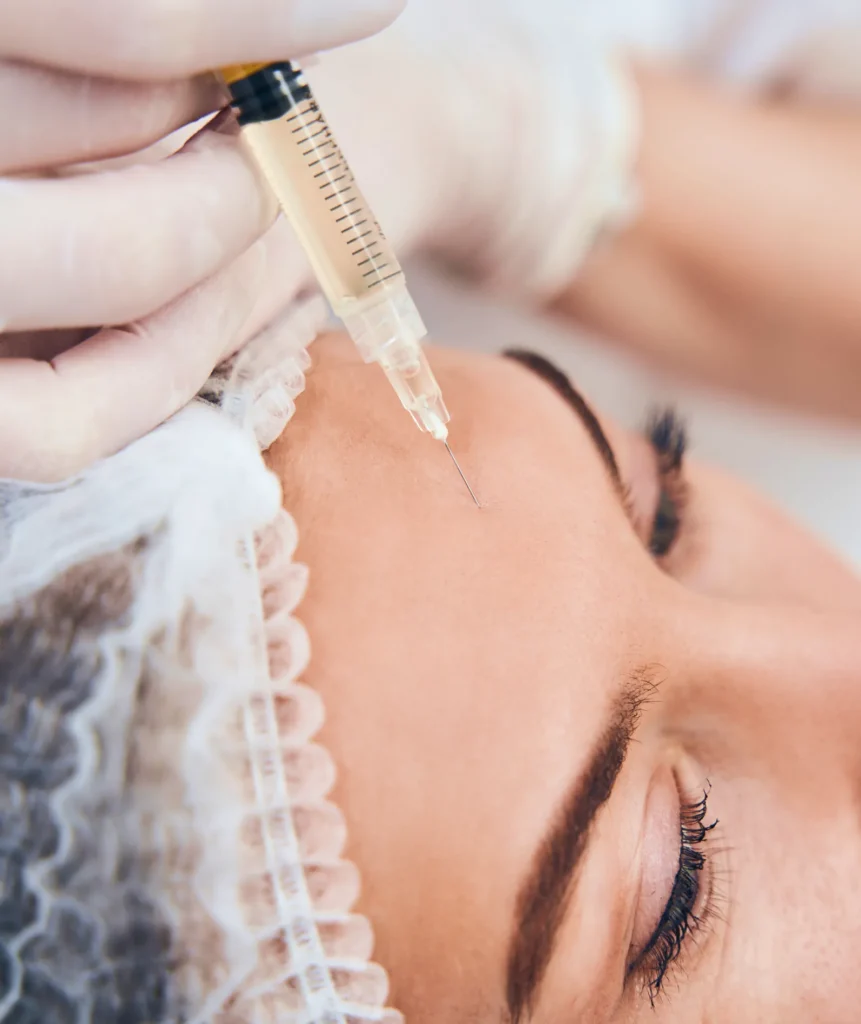
Regenerative medicine has attracted growing interest for its potential role in understanding tissue repair, cellular function, and the body's natural healing processes. Stem cell research is an important part of this field, helping researchers investigate how specialized cells develop, interact with surrounding tissues, and respond to injury or disease. For individuals exploring modern regenerative medicine, Stem Cell Therapy in Dubai offers an opportunity to learn about available approaches, current scientific evidence, and the importance of individualized medical assessment.
At Biolite clinic dubai, individuals can explore information about regenerative medicine and discuss their health concerns with qualified professionals. Understanding the potential applications, limitations, and safety considerations of stem cell-based interventions is essential when making informed decisions about treatment.
Understanding Stem Cell Therapy in Dubai
Stem cells are distinctive because they can renew themselves and, under specific biological conditions, develop into certain specialized cell types. Researchers study these properties to better understand tissue development, repair mechanisms, and potential applications in medicine.
Stem Cell Therapy in Dubai refers to the broader area of medical care and regenerative treatment involving stem cells. However, not every intervention described as regenerative medicine uses stem cells, and not every proposed stem cell application has established clinical benefits.
The appropriate use of a stem cell-based intervention depends on the specific medical condition, the type and source of cells, the method of administration, and the quality of supporting clinical evidence. Patients should understand these distinctions before considering a procedure.
How Stem Cells Contribute to Cellular Research
Stem cells are studied for several biological properties that may be relevant to regenerative medicine. These include their capacity for self-renewal, their ability to develop into certain cell types, and their interactions with surrounding cells.
Some stem cell populations may release signaling molecules that influence local cellular activity. Researchers are investigating whether these interactions can contribute to tissue repair in specific medical settings.
Nevertheless, findings from laboratory experiments do not automatically demonstrate that a treatment is safe or effective in humans. Clinical studies are necessary to establish whether an intervention provides meaningful benefits for a particular condition.
Potential Applications of Regenerative Medicine
Regenerative medicine encompasses a range of approaches designed to understand or support the repair, replacement, or functional recovery of damaged tissues. Its applications vary significantly according to the technology and medical condition involved.
Tissue Repair and Recovery
Researchers are examining how cellular therapies may contribute to tissue repair in carefully defined clinical circumstances. The aim is to understand whether particular approaches can improve healing or restore function when conventional treatments have limitations.
The evidence differs across conditions, and a treatment that has demonstrated benefits for one medical indication may not be appropriate for another.
Blood and Immune System Conditions
Certain stem cell transplantation procedures have established medical applications, particularly in the treatment of selected blood cancers, bone marrow disorders, and other serious diseases. These treatments are performed under specialized medical supervision with carefully defined indications and protocols.
These established applications should be distinguished from experimental procedures marketed for general rejuvenation or unrelated health concerns.
Research Into Degenerative Conditions
Scientists continue to investigate whether stem cell-based approaches may eventually help address selected degenerative conditions. The complexity of these diseases means that safety, effectiveness, durability of benefits, and possible complications must be evaluated through appropriate clinical research.
Patients should be cautious of claims that stem cell interventions can reverse ageing, regenerate any damaged organ, or cure multiple unrelated diseases.
The Importance of Personalized Medical Assessment
A responsible approach to regenerative medicine begins with a comprehensive review of an individual's medical history, symptoms, existing diagnoses, medications, and previous treatments. Depending on the concern, the assessment may include a physical examination, relevant laboratory investigations, or other diagnostic procedures.
At Biolite clinic dubai, patients can discuss their health objectives and learn about the factors that influence treatment suitability. A medical professional can explain whether an established treatment is available, whether a proposed intervention remains experimental, and what alternatives may be appropriate.
Personalized assessment also helps identify circumstances in which a particular intervention may carry additional risks. No treatment should be recommended solely because it is described as advanced or regenerative.
Safety Considerations in Stem Cell-Based Treatments
Stem cell interventions can involve significant medical considerations. Depending on the procedure, potential complications may include infection, immune reactions, unintended tissue growth, and other serious adverse effects. The risks depend on the cell source, processing methods, administration route, and treatment setting.
Patients should ask about the regulatory status of the proposed treatment, the evidence supporting its use for their specific condition, and the qualifications of the professionals involved. They should also understand how complications would be managed and what follow-up care would be available.
Unproven treatments promoted with guarantees of recovery, universal benefits, or dramatic anti-ageing effects warrant particular caution. Independent medical advice may be valuable before making a decision.
Evidence-Based Regenerative Care at Biolite Clinic Dubai
Exploring regenerative medicine requires a balanced understanding of scientific progress and current clinical limitations. Some cellular treatments have established applications, while others remain under investigation and may only be appropriate within authorized clinical research.
Biolite clinic dubai can be a starting point for discussing regenerative medicine interests, understanding treatment-related information, and identifying questions to raise during a professional consultation.
Patients should receive clear explanations about expected outcomes, available evidence, possible complications, alternatives, and costs. Transparent communication helps individuals make decisions based on clinical suitability rather than promotional claims.
Supporting General Health During Recovery
Although regenerative medicine research continues to develop, established health practices remain important for supporting general well-being. Adequate sleep, balanced nutrition, suitable physical activity, and adherence to prescribed medical care can contribute to overall health.
Recovery recommendations vary depending on the underlying condition and the treatment received. Patients should follow individualized medical advice rather than assume that supplements, special diets, or additional procedures will improve the results of a cellular intervention.
Ongoing monitoring may also be necessary to assess progress, identify complications, and determine whether further medical care is required.
Frequently Asked Questions
What is stem cell therapy?
Stem cell therapy involves medical interventions using stem cells for specific purposes. Some applications are established for particular conditions, while many other proposed uses remain experimental or lack sufficient evidence.
Can stem cell therapy repair damaged tissues?
Certain cellular treatments have recognized applications in specific medical settings, but the ability to repair or regenerate tissue depends on the condition and intervention. Benefits should not be assumed without reliable clinical evidence.
Is stem cell therapy suitable for everyone?
No. Suitability depends on the medical condition, treatment indication, individual health status, and available evidence. A qualified medical professional should assess the risks and potential benefits.
Is stem cell therapy proven to reverse ageing?
There is no established evidence that stem cell therapy can generally reverse human ageing. Claims involving comprehensive rejuvenation or guaranteed longevity should be approached cautiously.
What should patients ask before considering treatment?
Patients should ask about the treatment's approved indication, supporting clinical evidence, potential risks, regulatory status, alternatives, costs, and follow-up arrangements.
Conclusion
Stem cell research continues to expand scientific understanding of cellular function, tissue repair, and regenerative medicine. However, the clinical value of any intervention depends on the condition being treated, the quality of evidence, and an individual's medical circumstances.
Through Stem Cell Therapy in Dubai, individuals can explore information about regenerative approaches and prepare informed questions for a medical consultation. Biolite clinic dubai provides a starting point for discussing treatment considerations, understanding potential limitations, and prioritizing evidence-based decisions that support patient safety.
Comments