Ivory Coast eVisa Rules for Maldives Passport Holders
Ivory Coast is a vibrant West African destination known for its rich culture, beautiful coastlines, and lively cities such as Abidjan and Yamoussoukro. Travelers from the Maldives who wish to explore this country must understand the entry requirements before planning their journey. The Ivory Coast tourist visa for Maldives citizens is generally required for leisure travel, and applicants must ensure they meet the necessary documentation, including a valid passport, travel itinerary, and proof of accommodation, to enjoy a smooth entry process.
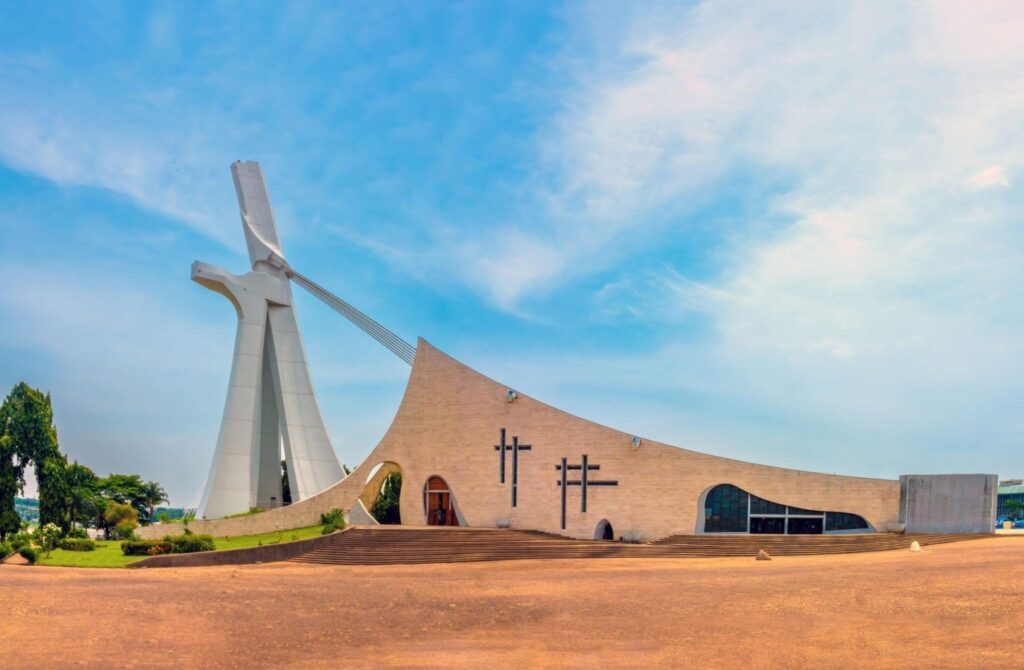
The application process for the Ivory Coast tourist visa for Maldives citizens is typically done through an online system or authorized channels, making it more convenient for international travelers. Once approved, visitors can experience Ivory Coast’s unique attractions such as Assinie beaches, national parks, and cultural heritage sites. It is always recommended that Maldives travelers apply in advance to avoid delays and ensure a hassle-free travel experience.
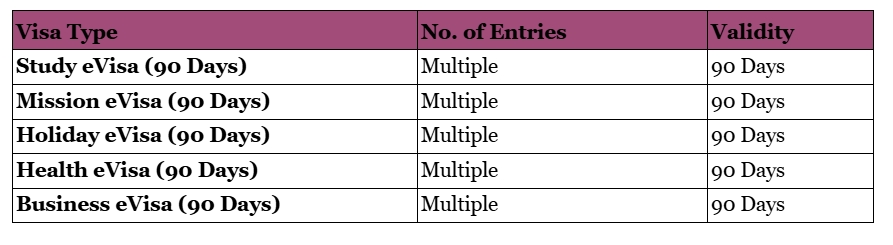
What Are the Available Types of Ivory Coast eVisa?
When planning your visit, you must select the visa category that matches your specific purpose for travel. All eVisas for this destination generally allow for multiple entries, providing flexibility for your itinerary.
What Documents Are Required for the Ivory Coast eVisa?
To ensure your application is processed without delays, you must prepare the following documentation accurately:
- Valid Passport: Your passport must have at least six months of remaining validity and at least one blank page for stamps.
- Passport Scan/Photo: A clear, high-resolution digital copy of your passport’s data page.
- Flight Reservation: A round-trip ticket confirming your arrival and departure dates.
- Accommodation Proof: A confirmed hotel booking or a formal invitation letter if staying with friends or family.
- Yellow Fever Vaccination: An international certificate of vaccination is mandatory.
- Bank Statements: Proof of financial stability, usually covering the last three months.
What Is the Processing Time for the Ivory Coast eVisa?
The processing time for the Ivory Coast eVisa varies depending on the urgency of the application and the service option chosen by the traveler. Generally, applicants can expect the standard processing time of 6–9 working days, while faster options are available for urgent travel needs, including rush processing within 4–7 working days and super rush processing in 3–5 working days. Travelers are advised to apply early and choose the appropriate service level based on their departure date to avoid last-minute delays or travel disruptions.
How to Apply for the Ivory Coast eVisa?
The application process is entirely digital, making it accessible from your home in the Maldives.
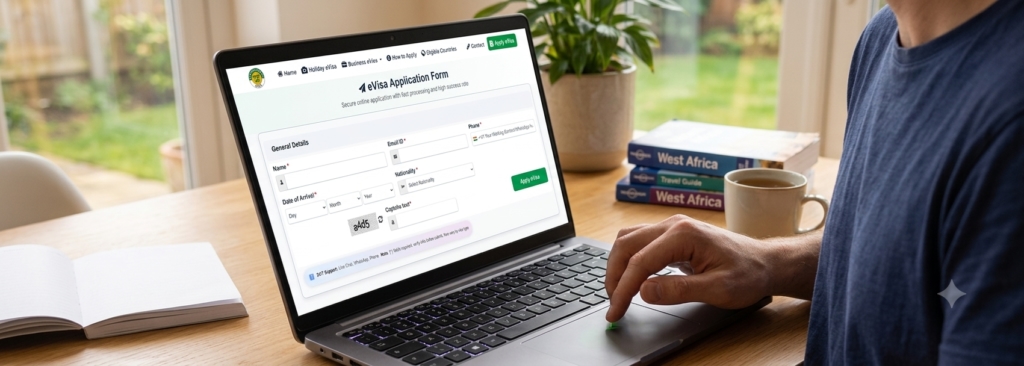
- Fill Form: Fill in your personal details accurately, ensuring they match your passport exactly.
- Upload Documents: Attach the required scanned documents and your passport-size photograph.
- Pay Fees: Complete the payment using a valid international payment method.
- Receive and Print: Once approved, your eVisa will be sent to your email. Print it out and keep it with your travel documents for your journey.
What Are the Eligibility Criteria for Ivory Coast eVisa Application?
The eligibility criteria for an Ivory Coast eVisa ensure that applicants meet basic travel and documentation requirements before entering the country.
- Valid Passport: Must be valid for at least 6 months from arrival date
- Eligible Nationality: Applicant must belong to an approved eVisa-eligible country
- Ivory Coast visa for Malta passport holders
- Ivory Coast entry rules for Mauritius citizens
- Ivory Coast travel requirements for Mexico Citizens
- Ivory Coast travel guidelines for Micronesia citizens
- Ivory Coast eVisa eligibility for Monaco Citizens
- Purpose of Visit: Tourism, business, or short-term travel only
- Return Ticket: Proof of onward or return journey may be required
- Accommodation Proof: Hotel booking or stay details in Ivory Coast
- Financial Proof: Sufficient funds to support the trip duration
Is Ivory Coast Safe for Tourists?
Ivory Coast is generally a welcoming destination for tourists, offering rich culture and scenic beauty, but travelers should follow basic safety precautions during their visit.
- Petty Crime Awareness: Be cautious of pickpocketing in crowded markets and busy areas
- Night Travel Safety: Avoid traveling alone late at night in unfamiliar places
- Transport Choice: Use trusted and licensed transportation services only
- Local Updates: Stay informed about local news and travel advisories
How Much Cash Should I Carry When Traveling to Ivory Coast?
When traveling to Ivory Coast, carrying the right amount of cash is important because cash is still widely used for daily expenses and local transactions.
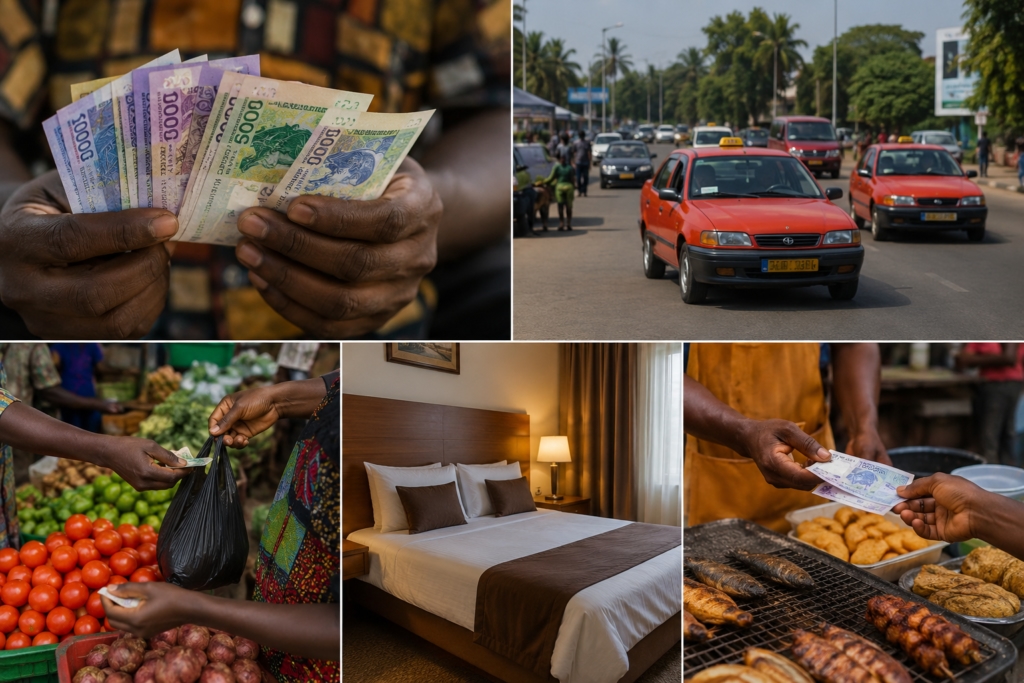
- Local Currency Usage: The West African CFA Franc (XOF) is the main currency used in everyday payments
- Small Denominations: Keep small notes for taxis, street food, and local markets
- Large Bills: Useful for hotel payments and bigger purchases
- Currency Mix: Carry CFA Franc along with a small amount of Euros for emergencies
- Cash Dependency: Many small vendors and services may not accept cards
Can I Use Credit or Debit Cards in Ivory Coast as a Tourist?
Yes, you can use credit or debit cards in Ivory Coast as a tourist, but mainly in larger cities and formal establishments such as major hotels, upscale restaurants, and big supermarkets, especially in places like Abidjan. However, card payments are not fully reliable everywhere due to occasional machine or network issues, and many smaller shops, local markets, taxis, and rural areas operate on a cash-only basis. Therefore, while cards are useful for convenience in select places, it is strongly recommended to carry sufficient cash in West African CFA Franc to manage everyday expenses smoothly during your trip.
Are ATMs Widely Available in Ivory Coast for Foreign Travelers?
The availability of ATMs in Ivory Coast is generally good in major cities, but less reliable in rural areas, making it important for travelers to plan their cash access carefully.
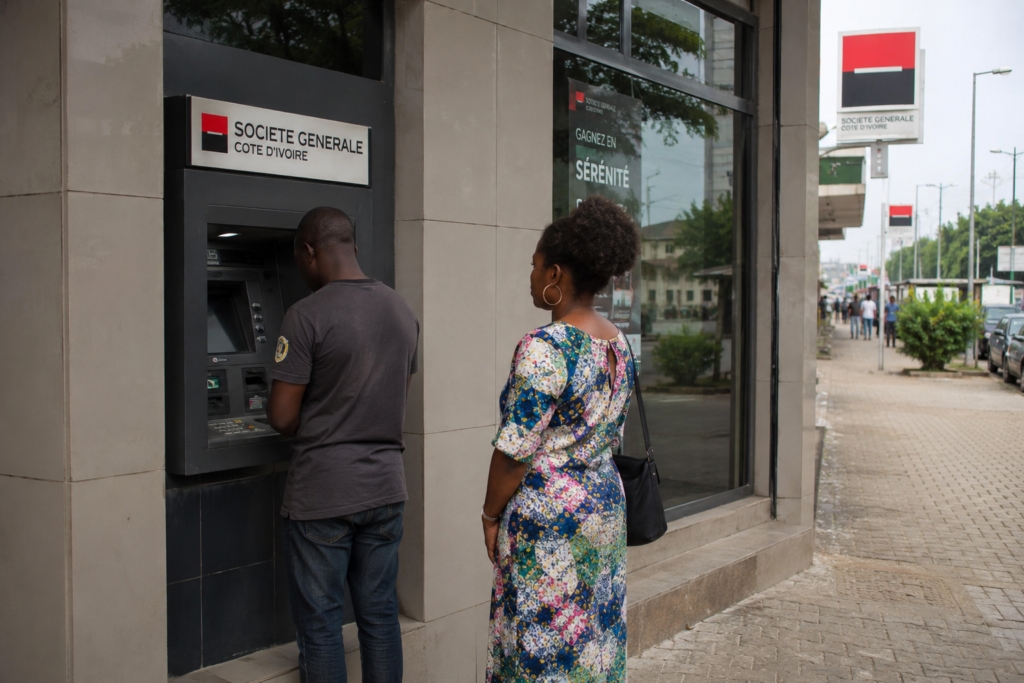
- Urban Availability: ATMs are widely found in major cities like Abidjan and other commercial centers
- Best Cash Source: They are one of the easiest ways to withdraw local currency (West African CFA Franc)
- Reliability Issue: Machines may sometimes be out of service or have network problems
- Rural Limitation: Limited or no ATM access in remote and rural regions
- Backup Plan: Always carry extra cash and keep withdrawal receipts for safety
Where Can I Get a SIM Card in Ivory Coast for Tourists?
Getting a SIM card in Ivory Coast as a tourist is simple and convenient, with multiple options available at arrival points and across major cities.
- Airport kiosks – SIM cards are available at Abidjan Félix-Houphouët-Boigny International Airport upon arrival.
- Official telecom stores – Visit authorized outlets of major providers in cities like Abidjan, Yamoussoukro, and Bouaké.
- Mobile shops & street vendors – Easily found in markets and shopping areas (ensure they are authorized sellers).
- Hotels & travel agencies – Some hotels assist tourists with SIM card purchase and registration.
How Is Internet Connectivity in Ivory Coast for Travelers?
Internet connectivity in Ivory Coast is generally reliable for travelers, especially in urban areas, with strong mobile networks and widespread Wi-Fi access in cities and tourist zones.
- Good coverage in cities – Strong and stable internet in Abidjan, Yamoussoukro, and other major urban areas.
- 4G mobile networks widely available – Local SIM cards provide fast and affordable mobile data for browsing and navigation.
- Wi-Fi in public places – Hotels, cafes, restaurants, and some malls offer free or paid Wi-Fi access.
- Weaker signals in remote areas – National parks and rural regions may have limited or intermittent connectivity.
- Offline preparation recommended – Download maps and travel apps in advance for smooth travel outside cities.
What Type of Plug or Adapter Is Used in Ivory Coast?
In Ivory Coast, travelers should be aware of the local plug types and voltage system to ensure their electronic devices can be used safely and efficiently.
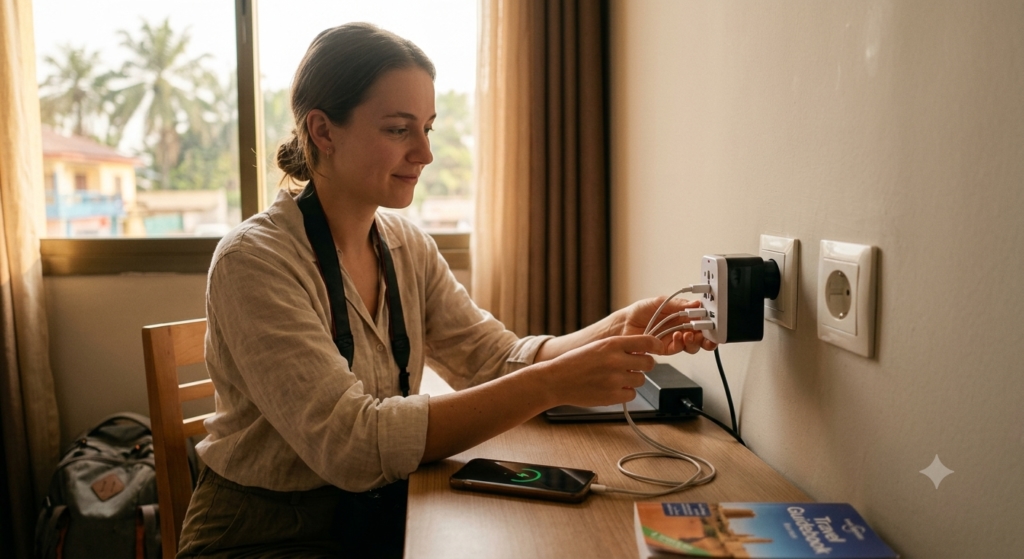
- Plug types used – Type C and Type E sockets are commonly used across the country.
- Standard voltage – 230V supply, suitable for most modern travel devices.
- Frequency – 50Hz electrical frequency is standard nationwide.
- Adapter requirement – Travelers from countries with different plug types will need a universal travel adapter.
- Device compatibility check – Most phone and laptop chargers support 230V, but always verify the label before use.
Conclusion:
Traveling to Ivory Coast from the Maldives can be a seamless experience if you are well-prepared. By ensuring your passport is valid, your documents are organized, and you understand the local reliance on cash, you can focus on the incredible culture and landscapes that await you. Always double-check your application details, keep your digital visa printed, and stay flexible with your payment methods to make the most of your adventure in this beautiful West African nation.
Comments