Is Buttock Lift in Islamabad Painful During or After the Procedure?
Concern about pain is one of the most common questions people have before considering cosmetic surgery. The idea of undergoing a procedure involving the buttock area can naturally create uncertainty about what the experience will feel like during and after surgery. Buttock Lift in Islamabad is performed using appropriate anesthesia during the operation, so patients generally should not expect to experience the surgical procedure in the same way they would experience an untreated injury. After surgery, discomfort, tightness, swelling, and tenderness can occur as part of the healing process. The intensity and duration of these sensations vary depending on the surgical technique, the amount of tissue treated, and individual pain tolerance.
What Is the Experience During Surgery?
During the procedure, anesthesia is used according to the surgical plan and the patient's needs. The purpose of anesthesia is to provide comfort and prevent the patient from experiencing the operation as ordinary conscious pain. The specific type of anesthesia depends on factors such as the procedure being performed, the patient's medical condition, and the decision of the surgical and anesthesia team. Patients should discuss any previous reactions to anesthesia, medications, allergies, or concerns about discomfort during the consultation so the medical team can plan appropriately.
What Does the First Day Feel Like?
Once the effects of anesthesia begin to wear off, patients may notice soreness, tightness, pressure, or tenderness around the treated area. These sensations are expected after many surgical procedures because the body is beginning its healing response. Pain management instructions are usually provided to help control discomfort during the early recovery period. The important point is that discomfort should be monitored rather than ignored. If pain becomes unexpectedly severe or changes significantly, the patient should contact the medical team for guidance instead of assuming that all pain is normal.
Why Does Tightness Occur After a Lift?
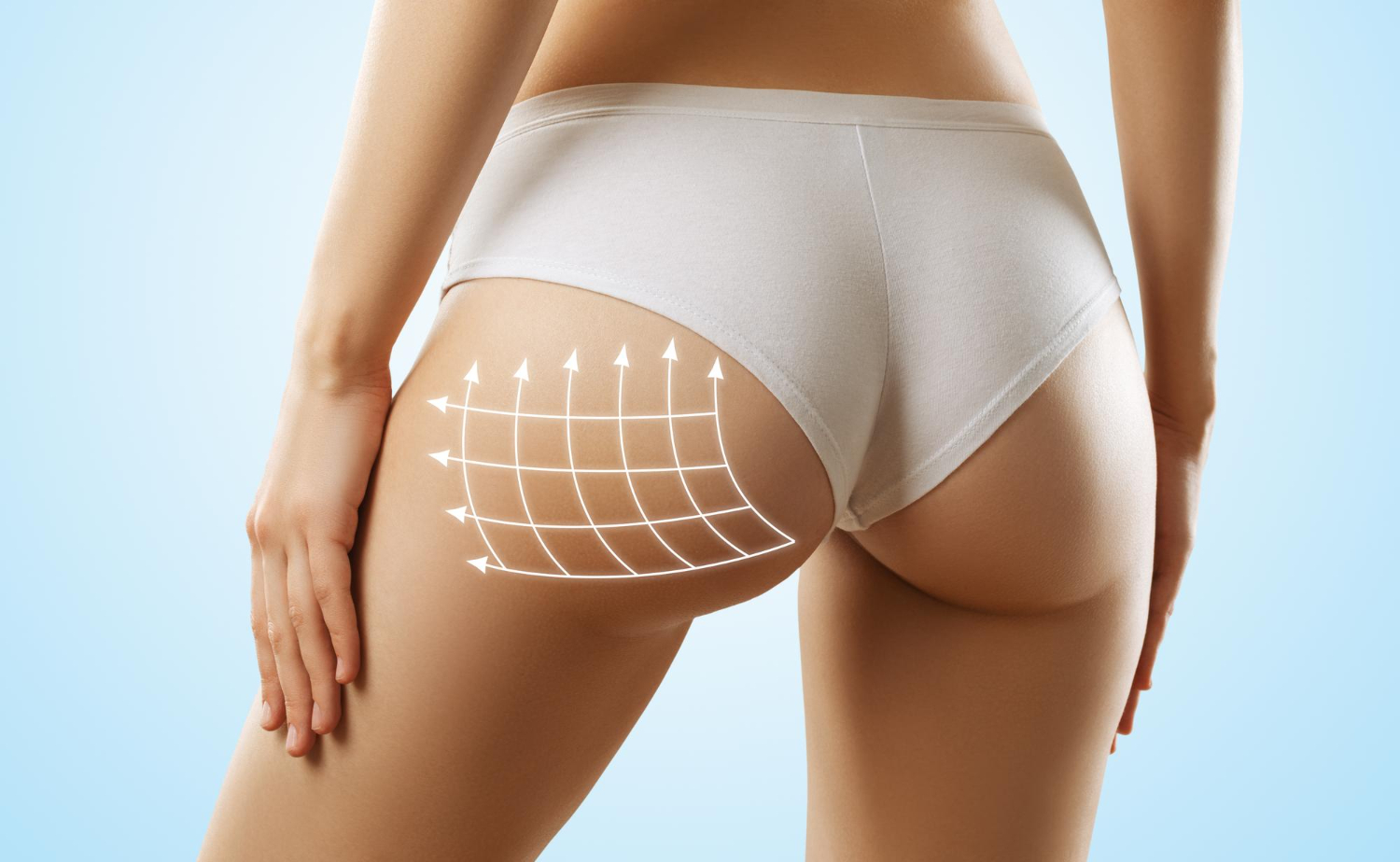
A feeling of tightness can occur because the skin and underlying tissues have been repositioned during the procedure. When loose tissue is tightened, the treated area may initially feel different from before surgery. Swelling can add to this sensation during the first part of recovery. As the tissues heal and swelling decreases, the feeling of tightness generally changes. Patients should therefore understand that an unfamiliar sensation in the early days does not necessarily represent the final condition of the treated area.
How Is Postoperative Discomfort Managed?
Postoperative discomfort is usually managed through a combination of prescribed or recommended medication, rest, appropriate positioning, and careful activity control. The surgeon may also provide specific instructions regarding wound care and movement to reduce unnecessary pressure on healing tissues. Taking medication exactly as directed is important, particularly during the early recovery period. Patients should not add, stop, or change medications without appropriate medical advice, especially if they are taking other medicines that could interact with pain-management drugs.
Does Sitting Affect Discomfort?
Sitting may be uncomfortable after surgery because pressure can be placed on the treated area depending on the technique used. For this reason, patients may receive specific instructions about how to sit, how long to remain seated, and which positions to avoid during the early healing period. The exact restrictions vary according to the surgical approach and should be followed carefully. Attempting to return immediately to prolonged sitting simply because the discomfort has improved may place unnecessary stress on tissues that are still recovering.
When Does Discomfort Usually Improve?
Discomfort generally changes as recovery progresses. The first part of healing tends to involve more noticeable soreness and tightness, while later stages may involve occasional tenderness or sensitivity rather than the same level of discomfort. Individual recovery varies, so one patient's experience should not be treated as a standard timeline for everyone. Factors such as the extent of surgery, personal pain sensitivity, activity level, and healing response can all affect how recovery feels. Follow-up appointments allow the surgeon to determine whether the patient's symptoms are consistent with expected healing.
What Symptoms Should Be Reported?
Patients should pay attention to symptoms that seem unusually severe, sudden, or different from what they were told to expect. Increasing pain accompanied by significant swelling, unusual wound changes, fever, drainage, or other concerning symptoms should be discussed promptly with the medical team. The purpose of postoperative monitoring is not to make patients worried about every sensation but to ensure that potential complications are recognized appropriately. Clear communication with the surgeon is particularly important during the early recovery period when the body is undergoing significant changes.
Conclusion
A buttock lift involves anesthesia during surgery and can be followed by temporary soreness, tightness, swelling, and tenderness during recovery. The level of discomfort is different for every patient and depends on the procedure, individual healing response, and pain sensitivity. Proper medication use, careful movement, appropriate sitting instructions, and follow-up care can help patients manage the recovery period more comfortably. Before surgery, patients should discuss their concerns about pain openly with the surgical team so they understand what sensations may occur and how postoperative discomfort will be managed.
Comments