Are you a German traveler planning to explore the otherworldly landscapes of the Horn of Africa? Whether you are drawn to the salt-covered shores of Lake Assal or the vibrant marketplaces of Djibouti City, the first and most important step is securing your entry authorization. This guide focuses on the Djibouti e-visa for Germany Citizens, helping travelers understand the process and prepare for a smooth and stress-free journey.
Do German Citizens Need a Visa for Djibouti?
Yes, German nationals are expected to be issued with a valid visa before entering Djibouti. Luckily, the Republic of Djibouti has updated its immigration procedure by facilitating the introduction of the electronic visa (e-Visa) system. This online service enables customers to submit applications at the comfort of their homes in Berlin, Munich or anywhere in the globe and avoid a visit to an embassy/consulate.
Which documents are required for eVisa?
In order to have a smooth process of application you have to assemble a number of digital documents. The system is rigorous in file formats and clearness. The following are the necessary Visa Requirements of the German Nationals:
Valid Passport: Your German passport must have at least six months of validity remaining from your date of entry. You will need a high-quality scan of the biodata page (the page with your photo and details).
Recent Photograph: A digital, passport-style photo (JPG or PNG) taken against a plain white background.
Travel Itinerary: Documentation of your trip, specifically your confirmed return or onward flight ticket.
Accommodation Proof: A hotel booking confirmation or an invitation letter if staying with a host.
Digital Payment: A valid credit or debit card (Visa, Mastercard, or Amex) to pay the processing fees.
Active Email Address: This is where you will receive your visa approval and any status updates.
Which Type of Djibouti e-Visa Should You Choose?
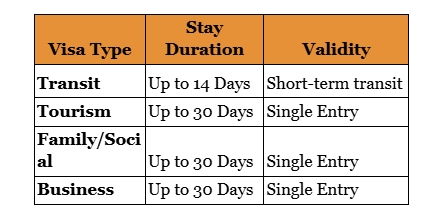
You can choose between a variety of categories depending on the character of your trip. It is very important to select the one which fits your purpose to prevent legal problems when you arrive.
Transit Visa: Perfect for those stopping over for a short duration before heading to a third destination.
Tourism Visa: The most common choice for holidaymakers exploring the natural wonders.
Family/Social Visit: Designed for those visiting relatives or friends residing in Djibouti.
Business Visa: For professionals attending meetings, conferences, or exploring trade opportunities.
How long is an eVisa valid?
The category that you choose during the application determines the validity and the period that you can stay there.
How do I apply for an eVisa for Djibouti?
The online application is a paperless, easy to use process which can be done on your smartphone or computer fully. Here is the step-by-step procedure to complete your application successfully:
Step 1: Form Completion Fill in your personal and passport details exactly as they appear on your ID. Ensure travel dates are accurate to avoid processing delays.
Step 2: Digital Uploads Attach clear scans of your passport bio-page and a recent photo. Provide digital copies of your flight itinerary and hotel booking (files must be under 1MB).
Step 3: Online Payment Settle the non-refundable processing fee using a major credit or debit card (Visa, Mastercard, or Amex).
Step 4: Approval & Arrival Monitor your email for the approved eVisa. Print the document and present it along with your passport at Ambouli International Airport.
How many days will it take for an e-visa?
Everything is about time in planning an international trip. Three processing levels can be used depending on your schedule:
Standard Processing: Takes 4 to 7 business days. This is the most cost-effective option for those who plan ahead.
Rush Processing: Expect your visa within 3 to 5 business days.
Super Rush Processing: The fastest option, delivering your permit in 2 to 4 business days—ideal for last-minute travel needs.
How quickly can I get an emergency visa?
The standard processing time may be too slow in cases when travelers are in need of unplanned urgency, last minute business meetings, and unexpected traveling opportunities. In order to cater to such eventualities, the "Super Rush" service will be the formal Djibouti Urgent e-Visa. Although it is gouging a much higher price, it offers the quickest possible turnaround to German applicants.
Here are the key points defining the urgent e-visa service:
Prioritized Queue: Applications submitted under the Super Rush category are moved to the top of the immigration department's review list, ensuring they are processed before standard applications.
Rapid Turnaround: Approval is typically granted within 2 to 4 business days, making it the best choice for those who need to fly within the week.
Error-Prevention Support: Most platforms offering urgent services include a "white-glove" review of your documents to ensure there are no typos or blurry scans that could cause a last-minute rejection.
Higher Processing Fees: Travelers should expect to pay a premium for this expedited speed, which covers both the government priority handling and the service provider's fast-tracking fee.
Essential for Emergencies: This is the only reliable way to secure entry if you have missed the standard application window or have an immediate need to reach Djibouti.
Why Should Djibouti Be Your Next Adventure Destination?
Djibouti remains one of the world's best-kept secrets. For German adventurers, it offers a stark, beautiful contrast to European landscapes.
Spectacular Landscapes: Witness the lowest point in Africa at Lake Assal or the steaming chimneys of Lake Abbe.
Unique Wildlife: Dive with whale sharks in the Gulf of Tadjoura or spot the rare Djibouti Francolin.
Rich Culture: Experience the nomadic heritage of the Afar and Somali people.
Outdoor Thrills: From hiking the Arta Mountains to world-class snorkeling, the activities are endless.
Off-the-Beaten-Path: Avoid the tourist traps and enjoy an authentic, raw travel experience.
How much is a SIM card in Djibouti?
Staying connected is essential for navigation, safety, and sharing your journey. While roaming with a German carrier can be prohibitively expensive, Djibouti offers several accessible ways for tourists to obtain local data and voice services. Whether you prefer a physical SIM or the convenience of a digital eSIM, here is everything you need to know about mobile connectivity.
Here are the primary points to consider for your mobile setup:
The Local Provider:Djibouti Telecom is the state-owned and primary network provider. They offer a specific "Visitor Plan" designed for tourists, which typically includes a bundle of 4G/5G data, local minutes, and SMS.
Where to Purchase: You can buy a physical SIM card immediately upon arrival at Ambouli International Airport or at official Djibouti Telecom kiosks and authorized retailers throughout Djibouti City.
Registration Process: By law, all SIM cards must be registered. You will need to present your original German passport at the point of sale. The vendor will take a scan of your ID to activate the line.
The eSIM Alternative: If your smartphone is eSIM-compatible, you can purchase a data plan from international providers like Airalo, Maya Mobile, or Holafly before you depart. This allows you to connect to the internet the moment you land without visiting a physical store.
Data Coverage: While 4G and 5G are reliable in the capital city, coverage can be spotty or non-existent in remote areas like the Danakil Depression. It is highly recommended to download offline maps (like Google Maps) before venturing out of the city.
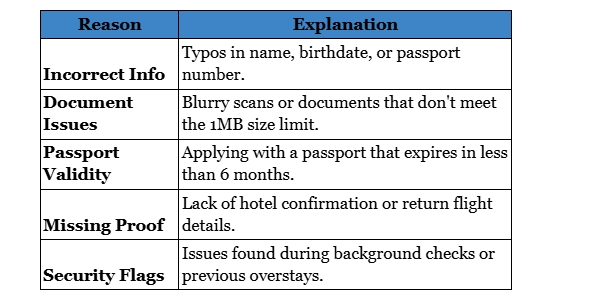
What are the Common Reasons for Djibouti e-Visa Rejection?
One way to get out of a denial is to understand the pitfalls. The following is a list of reasons behind application rejection:
Can You Reapply for a Djibouti e-Visa After Rejection?
Yes, it is still possible to reapply, although it is not necessary to do it right now without modifications. The first step is to examine the rejection notice (normally through email). In case it was a typing mistake or even a bad picture, make the correction and file a new application. In case the rejection was based on security issues, then you may be required to seek the services of a professional.
What is the Best Way to Handle Taxi and Transport in Djibouti?
There is a need to do certain logistical planning when going around the Horn of Africa because there is little public transport as compared to Europe. Although the Djibouti City is not that large, to get to the natural wonders of the country, special machines and local expertise are necessary. Knowledge of the ins and outs of local transportation, including taxi services in the city as well as 4x4s that can handle the deserts, will be a mainstay to a safe and economic journey.
Here is a point-by-point guide to handling transportation in Djibouti:
Urban Taxis: The most common way to get around the capital is via the distinctive green-and-white taxis. These do not use meters; therefore, you must negotiate and agree on the fare before entering the vehicle. Expect prices to increase by approximately 50% after sunset.
4x4 Vehicle Hire: For long-distance travel to sites like Lake Assal or Lake Abbe, hiring a 4x4 vehicle with a driver is highly recommended. The terrain is volcanic and rugged, often destroying standard tires. Hiring a local driver also provides a guide who is familiar with the unmarked desert tracks.
Airport Transfers: Most major hotels in Djibouti City (like the Kempinski or Atlantic) offer shuttle services. If using a taxi from Ambouli International Airport, refer to the large billboard outside the terminal which lists average fares to help prevent overcharging.
Ferry Services: To reach northern coastal towns like Tadjoura or Obock, the daily ferry from the Port of Djibouti is a scenic and affordable alternative to the long drive around the gulf.
Safety First: Avoid driving outside major cities at night due to poor lighting, free-roaming livestock, and heavy truck traffic on the Ethiopia-Djibouti corridor. Always ensure your vehicle has a spare tire and plenty of water when heading into remote areas.
What is the culture of Djibouti?
Djibouti is a predominantly Muslim country with a rich blend of French and African influences. To show respect for local customs and traditions, visitors are encouraged to dress modestly in public places. Wearing attire that reflects Djibouti traditional culture such as loose, lightweight garments that cover shoulders and knees—helps travelers blend in comfortably and demonstrates cultural sensitivity during their stay.
Dress Modestly: Especially in public markets and rural areas.
Ask Before Photos: Always ask for permission before taking photos of locals. Note that photographing military or government buildings is strictly prohibited.
Religious Observance: During Ramadan, avoid eating or drinking in public during daylight hours.
Conclusion:
The way for German travelers to discover one of the most impressive landscapes in Africa in terms of beauty and culture is through a Djibouti e-visa. You are already setting the stage to an adventure that is genuinely undisturbed by making sure you have the right passport information, preparing your digital files and just following the local unique traditions. The Horn of Africa is an experience like no other as we move through the salt crusted coasts of Lake Assal up to the busy streets of the capital, so go apply now and start your journey into this wild world.
You need to more information related to Djibouti eVisa:

Comments