How Should Parents Prepare a Child for Cleft Lip & Palate Surgery in Islamabad?
Preparing a child for surgery involves more than packing a hospital bag or arranging transportation. Cleft Lip & Palate Surgery in Islamabad requires medical preparation, careful attention to feeding and health, and practical planning for the recovery period. Parents may also feel anxious because young children cannot always understand why they need an operation. A calm and organized approach can make the days before surgery easier for both the child and the family.
Begin With the Medical Assessment
Preparation normally starts with an evaluation by the surgical and medical team.
The child's general health, growth, medical history, and the nature of the cleft are considered before surgery is scheduled. The team may also review previous medical problems, allergies, medications, and any concerns about anesthesia.
Parents should provide complete information rather than leaving out details that may seem unrelated.
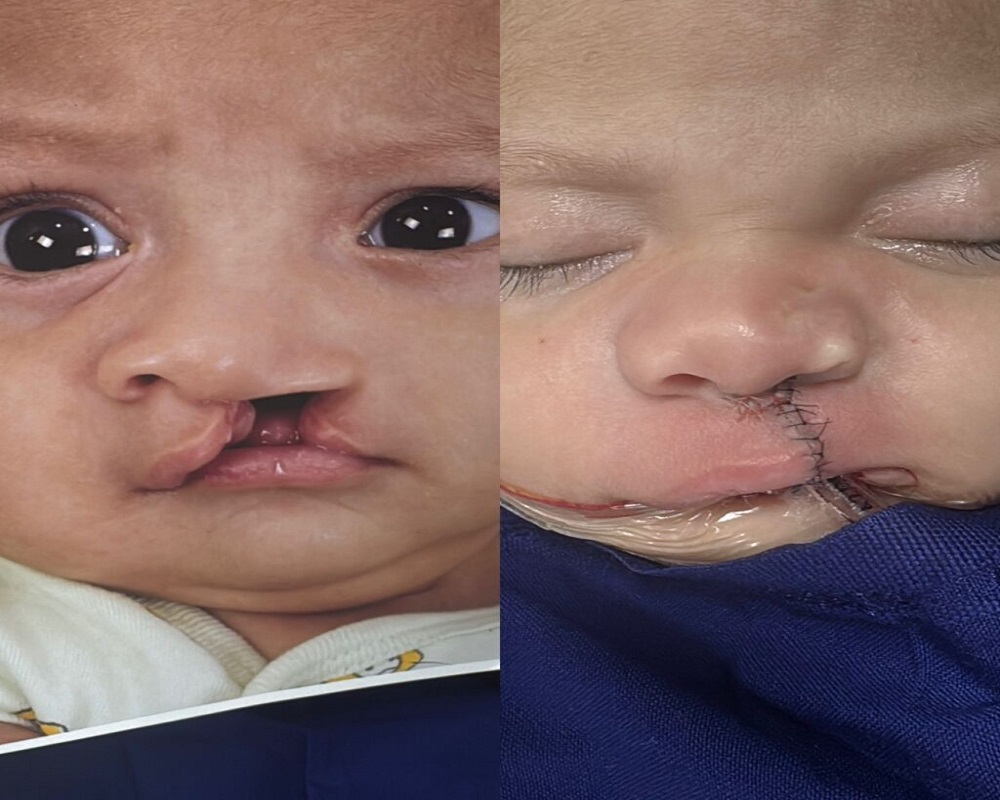
Follow Feeding and Nutrition Advice
Nutrition can be especially important for children with cleft conditions.
Some infants may have difficulty feeding effectively, which can affect growth. A medical team may recommend specific feeding techniques or equipment before surgery.
Parents should follow the feeding plan provided by their child's professionals and report ongoing feeding difficulties or poor weight gain.
Understand the Fasting Instructions
One of the most important preparations before anesthesia is following instructions about when the child must stop eating and drinking.
The exact timing depends on the medical team's protocol and the type of food or drink involved.
Parents should not guess about fasting requirements. If they are unsure whether the child can have something before surgery, they should contact the hospital or anesthesia team for clarification.
Tell the Team If the Child Becomes Unwell
Children can develop colds, fever, coughs, stomach problems, or other illnesses unexpectedly.
Parents should inform the medical team if the child's health changes before the operation.
Depending on the illness and its severity, the team may decide that the procedure should continue or be postponed. This decision should be made by the treating professionals.
Prepare the Home for Recovery
The recovery period can be easier when essential arrangements are made in advance.
Parents can organize prescribed medicines, appropriate foods or feeding equipment, comfortable clothing, and a clean space where the child can rest.
It is also useful to arrange help with household responsibilities so that the parent caring for the child can focus on recovery.
Explain the Experience in a Child-Friendly Way
Older children may understand simple explanations about going to the hospital.
Parents should avoid frightening descriptions and instead use language appropriate for the child's age. The goal is to provide reassurance without making promises about what the child will or will not feel.
A calm parent can also help reduce the child's anxiety.
What Should Parents Bring to the Hospital?
The exact requirements vary between hospitals, but practical items may include the child's usual comfort object, necessary documents, feeding supplies if recommended, and clothing suitable for the recovery period.
Parents should also keep the medical team's contact information accessible in case questions arise after discharge.
Learn About Post-Surgery Restrictions
Before the operation, parents should ask how the child's normal activities and feeding routine will change afterward.
The repaired tissues may need protection during early healing. The medical team may therefore recommend temporary restrictions or specific care methods.
Knowing these instructions beforehand prevents parents from having to learn everything while managing a recovering child.
Plan for Follow-Up
Follow-up appointments should be treated as part of the treatment rather than an optional extra.
The surgeon can assess healing and determine whether the recovery is progressing as expected.
Longer-term appointments may also be needed because cleft care can involve dental, speech, and developmental monitoring as the child grows.
What Should Parents Avoid Doing?
Parents should avoid changing prescribed medicines, applying unapproved products to the surgical area, or introducing feeding methods without professional advice.
Online recommendations may not be suitable for every child.
The child's own surgical team has access to the medical details needed to provide individualized instructions.
Final Thoughts
Preparing for cleft surgery is a combination of medical readiness, practical organization, and emotional support. Parents can help by attending all assessments, following fasting and feeding instructions, reporting changes in the child's health, preparing the home, and understanding the recovery plan before the operation. Good preparation does not remove every uncertainty, but it can make the surgical journey more organized and give families a clearer idea of what to expect.
Comments