Understanding what happens during rhinoplasty can make the surgical process easier to visualize. People exploring Rhinoplasty in Islamabad may know the procedure changes the nose but may not understand what happens before surgery, during the operation, and throughout recovery. Rhinoplasty is planned according to each person's anatomy and goals, so the exact technique varies. However, the overall journey usually begins with consultation, continues through surgical preparation and nasal reshaping, and ends with structured aftercare and follow-up.
Step: Initial Consultation
The process begins with a detailed consultation.
The surgeon discusses the patient's concerns and examines the nose from different perspectives. Facial proportions, nasal structure, skin characteristics, previous injuries, and breathing issues may all be considered.
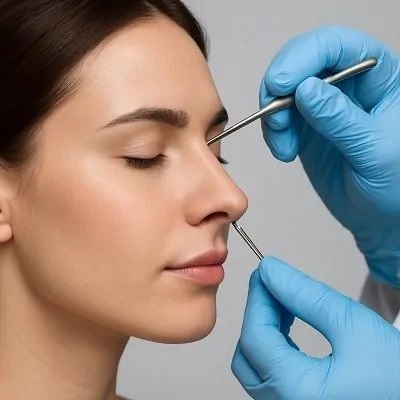
This stage helps establish whether the patient's goals are realistic and what type of surgical approach may be appropriate.
Step: Surgical Planning
Once the goals are understood, the surgeon develops an individualized plan.
The planned changes may involve the bridge, nasal tip, width, symmetry, or other structural features.
If breathing problems are present, functional considerations may also become part of the plan.
The objective is not simply to make the nose smaller but to create an appropriate structural and aesthetic balance.
Step: Preoperative Preparation
Before surgery, the patient receives instructions about preparation.
These may involve medications, eating and drinking restrictions, skincare, smoking, transportation, and arrangements for recovery at home.
Patients should provide accurate information about their medical history and medicines so the surgical team can plan appropriately.
Step: Anesthesia
Rhinoplasty is performed using anesthesia.
The anesthesia plan depends on the operation and the patient's circumstances. The surgical and anesthesia teams monitor the patient throughout the procedure.
This allows the surgeon to perform the planned nasal changes without the patient experiencing normal surgical pain during the operation.
Step: Surgical Access
The surgeon uses an appropriate surgical approach to access the nasal structures.
Rhinoplasty may be performed using an open or closed technique depending on the planned changes and anatomy.
The choice is individualized rather than automatically determined by the patient's preference.
Step: Reshaping the Nose
The surgeon carefully modifies the structures that require correction.
Depending on the patient's goals, this may involve adjusting cartilage, bone, the nasal bridge, or tip.
The amount of alteration is planned carefully because excessive modification can affect both appearance and function.
Step: Closing the Surgical Area
Once the desired structural changes have been completed, the surgeon closes the surgical openings.
Supportive materials may be used depending on the procedure.
The exact postoperative dressings or splints vary according to the surgical plan.
Step: Immediate Recovery
After surgery, the patient is monitored while recovering from anesthesia.
Swelling, congestion, tenderness, and bruising may occur during the early recovery period.
The patient receives postoperative instructions covering medication, activity, sleeping position, wound care, and warning signs.
Step: The First Follow-Up
Follow-up is an important part of rhinoplasty care.
The surgeon can assess healing, address questions, and provide updated instructions.
Patients should attend appointments even if they feel their recovery is progressing normally because professional monitoring helps identify concerns early.
Step: Gradual Healing
The visible result develops progressively.
Initial swelling can hide some of the changes created during surgery. As the tissues heal, the nose gradually becomes more refined.
The exact timeline varies according to individual anatomy, surgical extent, skin thickness, and healing response.
What Can Affect the Outcome?
Several factors can influence the final appearance.
These include the patient's anatomy, skin characteristics, surgical technique, healing response, adherence to aftercare, and protection of the nose during recovery.
Realistic expectations are important because surgery can improve specific concerns but cannot guarantee that the nose will look exactly like a reference photograph.
Final Thoughts
Rhinoplasty is a process rather than a single event. Consultation, individualized planning, preparation, anesthesia, surgical reshaping, postoperative care, and follow-up all contribute to the overall experience.
Patients who understand each stage are often better prepared for the recovery period and the gradual nature of the final result. The most appropriate plan is one developed around the person's anatomy, functional needs, and realistic aesthetic goals.
Comments