Uneven skin tone is one of the most common concerns among people striving for clearer, healthier-looking skin. From dark spots and blotchiness to redness and discoloration, these issues can arise due to sun damage, acne scars, hormonal changes, or even genetics. Among the many cosmetic procedures available today, laser technology has emerged as a powerful solution. Laser Treatments Dubai are often sought after for their effectiveness in restoring a uniform complexion without resorting to invasive methods.
Understanding Uneven Skin Tone
Before diving into laser solutions, it's important to understand what uneven skin tone really is. Uneven skin tone refers to the irregular distribution of melanin — the pigment responsible for skin color. When the skin produces too much melanin in certain areas, it results in patches of discoloration, dark spots, or hyperpigmentation.
Common Causes of Uneven Skin Tone
Sun exposure: Prolonged UV exposure can increase melanin production, resulting in sunspots or age spots.
Hormonal imbalances: Conditions like melasma are often triggered by hormonal changes, especially during pregnancy.
Post-inflammatory hyperpigmentation (PIH): Acne scars, eczema, or other skin trauma can leave dark marks behind.
Genetics: Some people are naturally more prone to pigmentation issues.
What Are Laser Treatments?
Laser treatments are skin-resurfacing procedures that use focused light energy to penetrate the skin layers and address a range of skin concerns, including pigmentation. Lasers are incredibly versatile—they can break down melanin, stimulate collagen production, and encourage skin renewal all at once.
There are two main types of lasers used in dermatology:
Ablative Lasers: These remove the outer layers of the skin, promoting regeneration.
Non-Ablative Lasers: These heat the underlying skin tissue without damaging the surface, boosting collagen and targeting pigment.
How Do Lasers Target Pigmentation?
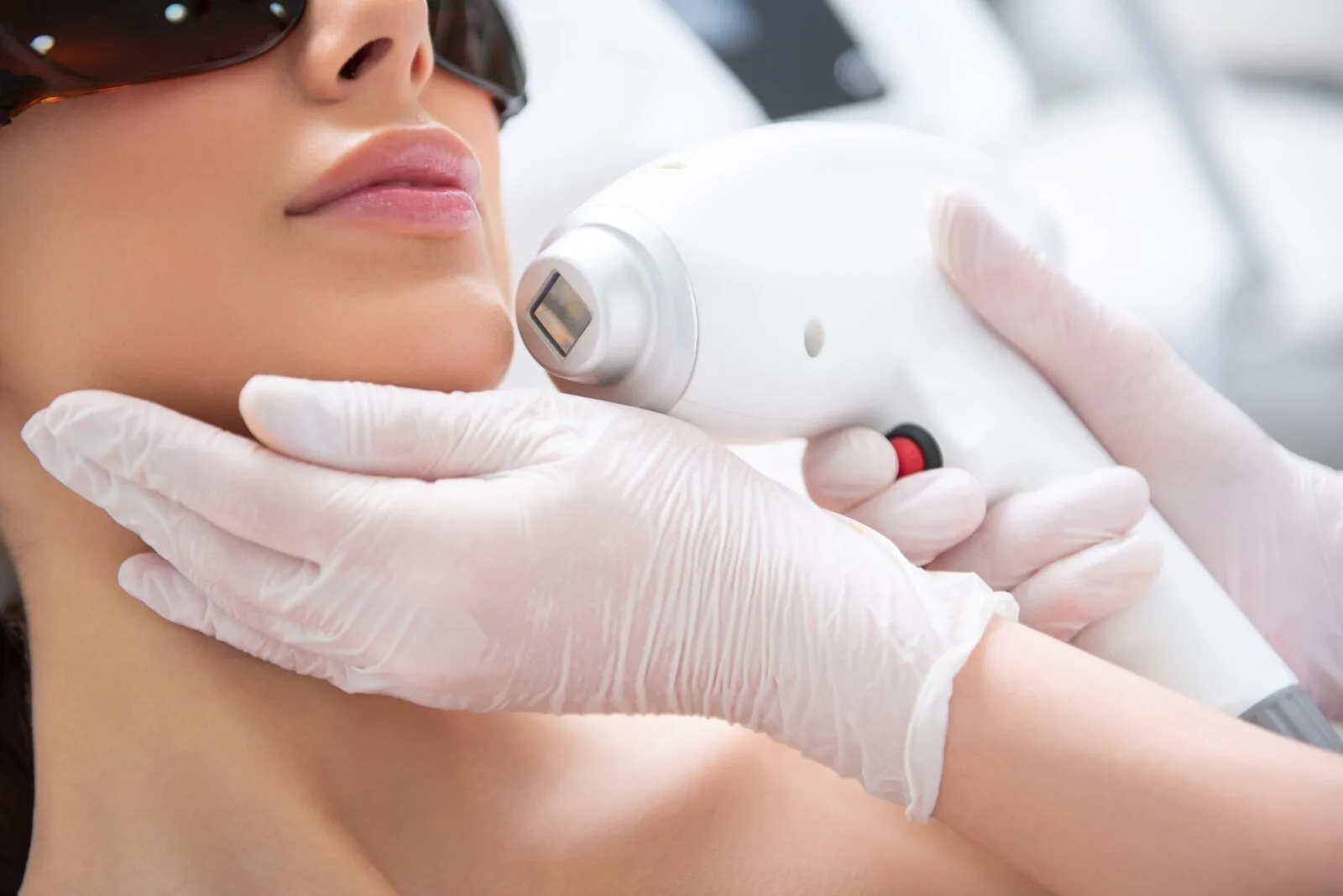
When a laser device is applied to the skin, it emits a specific wavelength of light that is absorbed by the pigment (melanin) in the uneven areas. The absorbed light heats up and breaks down the melanin into smaller fragments. These fragments are then naturally eliminated by the body’s immune system over the course of a few weeks.
Types of Laser Treatments for Uneven Skin Tone
Q-Switched Laser
This laser uses high-intensity pulses to break down pigmentation without damaging surrounding tissue. It's particularly effective for dark spots and PIH.
Fractional Laser (Fraxel)
The fractional laser creates microscopic injuries in the skin, triggering natural healing and collagen production. It helps not only with pigmentation but also with texture and fine lines.
Intense Pulsed Light (IPL)
Although technically not a laser, IPL uses broad-spectrum light to target pigment. It’s ideal for treating redness, rosacea, and sunspots.
Nd:YAG Laser
This laser penetrates deeper layers of the skin, making it effective for treating deeper pigmentation issues like melasma.
The Laser Treatment Process
Wondering what the journey to even-toned skin looks like? Here’s a typical outline of the laser treatment process:
Skin Assessment
A professional skin evaluation is done to identify the underlying causes of uneven skin tone and determine the appropriate laser technology. Skin type, tone, and medical history are all considered.
Pre-Treatment Preparation
Your skin may be prepped with a gentle cleanser.
Topical anesthetic cream is applied to minimize discomfort.
Eye protection is provided for safety during the procedure.
Laser Application
The laser device is calibrated according to your skin type and condition.
Short pulses of laser light are directed to the targeted areas.
The sensation can feel like a light snap or a warm tingling.
Post-Treatment Care
A cooling gel or anti-inflammatory cream may be applied.
Sun exposure should be minimized for several days.
Mild redness or flaking is normal and typically resolves within a few days.
Conclusion
Uneven skin tone can affect your confidence and how you feel in your own skin. Laser treatments offer a science-backed, non-invasive approach to addressing discoloration and promoting a clear, radiant complexion. Whether caused by sun damage, acne scars, or hormonal changes, laser technology works by targeting pigment and jumpstarting your skin’s natural renewal process.
Comments