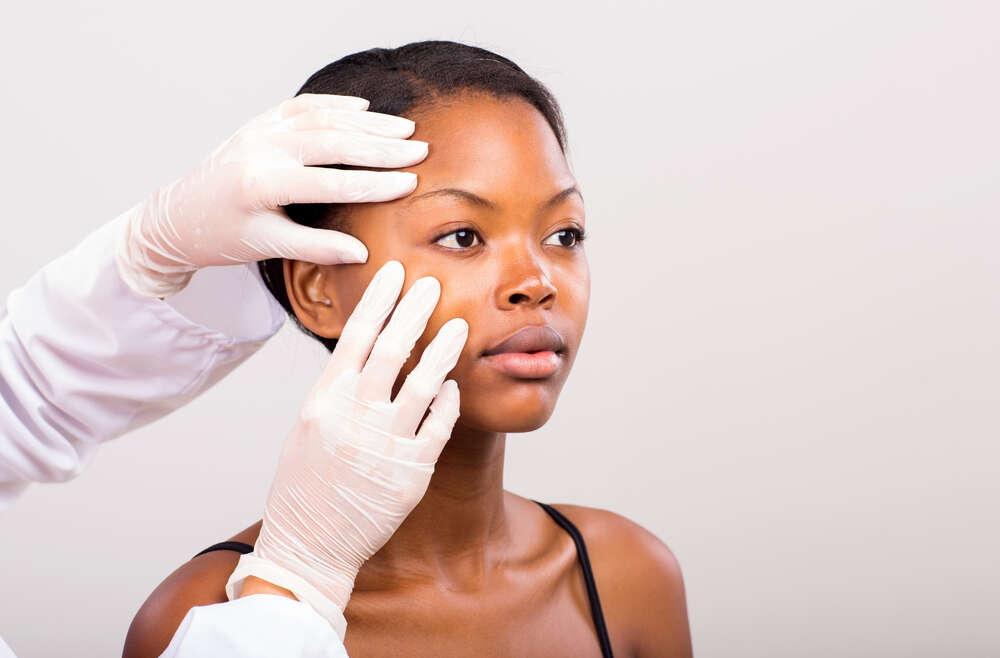
Visible pores are a common concern for many individuals, especially on the face. These tiny openings are essential for skin function, allowing oil and sweat to escape. However, when pores appear enlarged or clogged, they can disrupt the appearance of smooth skin. Dermatologist in Dubai uses advanced, non-invasive strategies to reduce pore visibility and refine skin texture. Addressing this issue involves a combination of tailored treatments, daily skincare, and professional evaluations.
Causes of Enlarged Pores
Genetics and Skin Type
Pore size is largely genetic. People with oily skin naturally tend to have more visible pores.
Skin type determines how much sebum is produced, affecting pore appearance.
Aging and Collagen Loss
As skin loses elasticity with age, pores appear stretched and more visible.
Reduced collagen support contributes to sagging around the pores.
Sun Exposure
UV damage breaks down collagen and elastin, enlarging pore openings.
Prolonged sun exposure can lead to permanent changes in pore structure.
Clogged Pores and Impurities
Excess sebum, dirt, and dead skin cells clog pores, making them appear larger.
Lack of regular cleansing contributes to the buildup.
Common Methods Used by Dermatologists to Minimize Pores
Chemical Exfoliation
Exfoliating agents like salicylic acid and glycolic acid remove dead skin layers.
These agents clear out pores, reducing visibility over time.
Microdermabrasion
A gentle abrasive treatment that sloughs away dead cells from the surface.
Helps to smooth skin texture and tighten pore openings.
Laser Treatments
Target collagen remodeling beneath the skin.
Stimulates new tissue growth, which tightens the skin around the pores.
Topical Retinoids
Promote cell turnover and unclog pores.
Retinoids also improve skin texture and collagen production.
Role of Skin Hydration in Pore Appearance
Importance of Moisturizing
Dehydrated skin can look rough, which accentuates pore size.
Hydrated skin appears plumper, masking the appearance of pores.
Oil-Water Balance
Proper moisturizers help maintain a balanced oil-water ratio.
Prevents overproduction of sebum, which contributes to pore clogging.
Customized Skincare Routines
Cleansers for Daily Maintenance
Non-comedogenic and pH-balanced cleansers are ideal.
They help remove excess oil without stripping the skin barrier.
Exfoliants and Masks
Weekly exfoliation keeps pores clean and prevents buildup.
Clay or charcoal masks can draw out impurities and reduce shine.
Serums and Pore Refining Products
Niacinamide serums improve skin elasticity and reduce inflammation.
Specialized pore-minimizing serums provide targeted benefits.
Technology-Based Solutions
Radiofrequency (RF) Therapy
Uses heat to stimulate collagen production.
Skin tightens gradually, leading to visibly smaller pores.
Fractional Microneedling
Creates micro-injuries to prompt skin healing and renewal.
Enhances absorption of serums and reduces scarring or pore size.
LED Light Therapy
Blue light helps reduce oil and kill acne-causing bacteria.
Red light promotes healing and skin elasticity.
Benefits
Precision and Personalization
Professionals assess individual needs and skin types.
Treatments are customized for effectiveness and long-term results.
Access to Advanced Modalities
In-office treatments go deeper than over-the-counter options.
Results are generally faster and more visible.
Final Thoughts
Reducing pore visibility involves more than just topical care—it's a holistic approach combining expert treatments, smart skincare, and lifestyle changes. While some pore size is natural and healthy, the goal is to maintain clean, tight, and smooth skin.
Comments