Birthmarks are skin discolorations that appear at birth or shortly afterward. They can range in size, color, and texture, and may be flat or raised. These marks can appear anywhere on the skin and often remain unchanged throughout life. However, some may fade, grow, or darken with time. This cellular irregularity determines the birthmark’s nature and guides the removal method. Whether targeting melanin or blood vessels, Birthmarks Removal Treatment in Dubai is designed to focus energy on the abnormal cell clusters while preserving the surrounding tissue.
Types of Birthmarks
Pigmented: Includes café-au-lait spots, Mongolian spots, and moles.
Vascular: Includes port-wine stains, hemangiomas, and salmon patches.
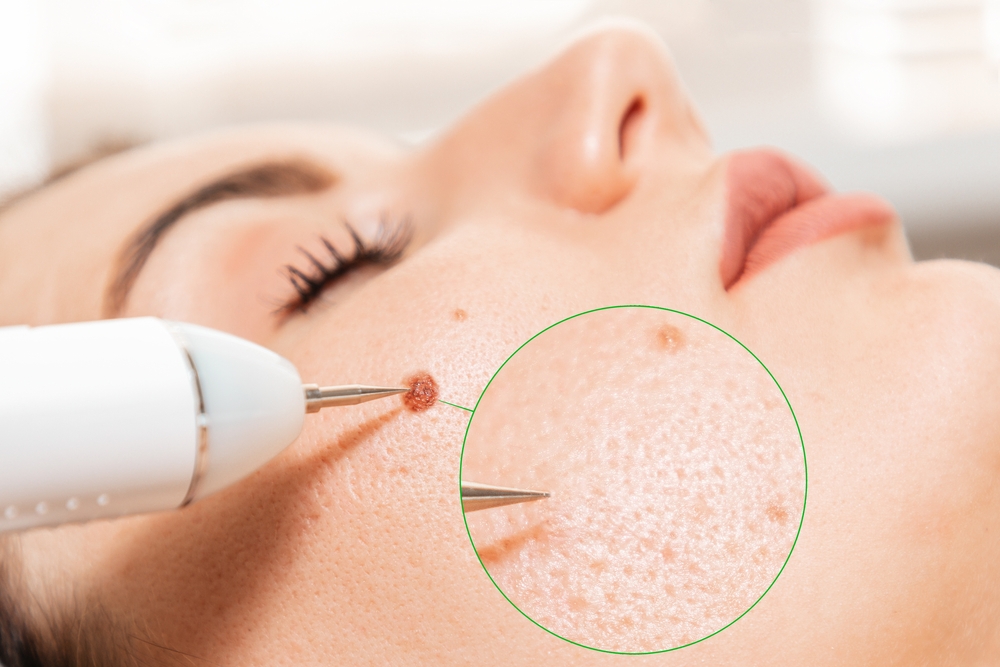
How Birthmarks Form in the Skin
Birthmarks originate due to an overgrowth of cells—either melanocytes (for pigmented marks) or blood vessels (for vascular marks). These cells group in the skin’s layers, forming visible discolorations. While most birthmarks are harmless, some can cause cosmetic concerns or emotional distress.
Development Factors
Genetic mutations in cells.
Hormonal or vascular irregularities during fetal development.
External factors are usually not involved.
Methods Used for Birthmark Removal
Multiple non-invasive to minimally invasive treatments are available for birthmark removal, depending on the birthmark’s type and depth within the skin.
Common Treatment Modalities
Laser Therapy (e.g., Pulsed Dye Laser, Q-switched Laser)
Cryotherapy
Surgical Excision
Topical Lightening Agents (less common, used for superficial pigment)
Laser Therapy:
Laser therapy is highly specific. Different types of lasers are selected based on the color and depth of the birthmark.
How It Works
Pigmented Birthmarks: Q-switched lasers fragment melanin clusters.
Vascular Birthmarks: Pulsed Dye Lasers heat blood vessels, causing them to collapse.
Cryotherapy and Its Targeted Approach
Cryotherapy involves freezing the birthmark with liquid nitrogen, which destroys the abnormal cells.
Best For:
Small, raised pigmented birthmarks
Superficial lesions
Skin’s Healing Response
After any removal method, the skin enters a regeneration phase. This is crucial for effective results and aesthetic recovery.
Healing Phases
Inflammation: Temporary redness and sensitivity.
Proliferation: New skin cells form to replace damaged ones.
Remodeling: Collagen reshaping, pigment normalization.
Skin Types
Different skin types (based on the Fitzpatrick scale) respond differently to laser-based treatments. Darker skin types may need specialized lasers to avoid post-treatment pigmentation changes.
Benefits
Enhanced skin clarity
Even pigmentation
Smoother skin surface
Why Individualized Treatment Matters
No two birthmarks are identical. A personalized approach ensures treatment is based on factors like skin type, birthmark characteristics, and healing response.
Elements of Customization
Choice of laser wavelength
Treatment depth and intensity
Skin sensitivity considerations
Factors
Birthmark type (congenital vs acquired)
Skin’s healing ability
Sun exposure
How Skin Tone Affects Pigment Response
Pigment absorption varies across different skin tones. Laser settings are often adjusted to avoid hyperpigmentation or hypopigmentation.
Pigment Considerations
Melanin-rich skin absorbs more laser energy
Risk of discoloration can be managed with pre- and post-treatment protocols
Role of Technology in Precision Targeting
Advanced laser technologies use imaging systems and cooling mechanisms to protect the skin while accurately targeting deeper pigment or blood vessels.
Technology Advancements
Real-time imaging for depth targeting
Dynamic cooling devices to protect the epidermis
Multi-wavelength platforms for complex marks
Benefits
Selectivity reduces collateral skin damage
Focused energy means faster recovery
Minimal scarring when performed correctly
Final Thoughts
Understanding how targeted approaches help treat skin irregularities ensures better outcomes. Birthmarks Removal Treatment utilizes advanced technologies and a personalized plan to fade or eliminate birthmarks effectively. It is a science-driven, minimally invasive process that promotes skin clarity without damaging healthy tissue.
Comments