Essential Tips for Choosing Safe Power Outlets for Every Room
Power outlets are among the most frequently used electrical components in any home, making their safety and functionality extremely important. Every room has unique electrical requirements based on the appliances and devices used daily. Selecting the right power outlets helps improve convenience, supports efficient energy distribution, and reduces the risk of electrical hazards. From bedrooms and kitchens to utility areas and home offices, choosing suitable outlets for each space ensures long-term reliability while creating a safer and more practical living environment for every household.
Why Choosing the Right Power Outlet Matters
Power outlets do much more than provide electricity to household appliances. They also contribute to electrical safety, efficient power management, and user convenience.
Some important benefits include:
- Improved electrical safety
- Reliable power distribution
- Better compatibility with appliances
- Reduced risk of overloads
- Enhanced convenience for daily use
Selecting the correct electric socket for each location helps ensure that electrical equipment operates safely while minimizing unnecessary strain on household wiring.
Understanding Different Types of Power Outlets
Modern homes require different outlet types depending on electrical demand and appliance usage.
Some commonly used options include:
- Standard power outlets
- Heavy-duty outlets
- Weather-resistant outlets
- USB-integrated outlets
- Smart power outlets
Each type is designed to serve specific electrical requirements while improving overall functionality.
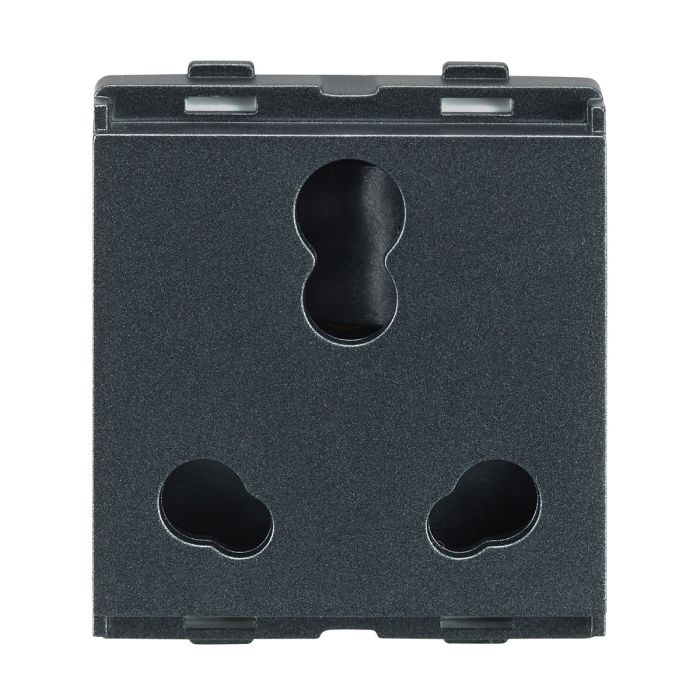
Choosing Safe Outlets for Every Room
Living Room
Living rooms typically accommodate televisions, entertainment systems, charging devices, lamps, and decorative lighting.
Consider:
- Easily accessible outlet locations
- Adequate number of outlets
- Safe placement behind furniture
- Convenient charging points
Proper outlet planning reduces the need for extension cords while improving room organization.
Bedroom
Bedrooms require outlets for bedside lamps, mobile devices, air conditioners, and personal electronics.
Install outlets close to beds, study tables, and wardrobes for greater convenience without creating clutter.
Kitchen
Kitchens contain multiple electrical appliances operating simultaneously.
Important considerations include:
- Dedicated outlets for larger appliances
- Safe distance from water sources
- Easily accessible countertop outlets
- Proper load distribution
In areas where higher electrical loads are expected, a 32 AMP socket may be suitable for supporting heavy-duty kitchen equipment that requires greater power capacity.
Bathroom
Bathrooms demand additional attention due to moisture exposure.
Ensure outlets are installed in appropriate locations while following applicable electrical safety standards for wet environments.
Home Office
Modern workspaces often require multiple outlets for computers, monitors, printers, networking equipment, and charging devices.
Providing sufficient outlets helps maintain an organized workspace while avoiding overloaded extension boards.
Factors to Consider Before Selecting Power Outlets
Choosing suitable outlets requires evaluating more than appearance.
1. Electrical Load
Always match the outlet with the expected power requirement of connected appliances.
2. Room Function
Each room has different electrical needs. Understanding appliance usage helps determine the most suitable outlet configuration.
3. Installation Location
Outlet placement should maximize convenience while maintaining safety and accessibility.
4. Future Requirements
Planning for future electrical devices reduces the need for additional installations later.
5. Durability
High-quality materials improve longevity and help maintain reliable electrical performance under regular use.

Common Mistakes to Avoid
Improper outlet selection can reduce safety and convenience.
Avoid these common mistakes:
- Installing too few outlets
- Ignoring appliance power requirements
- Using extension cords as permanent solutions
- Placing outlets in inconvenient locations
- Selecting outlets without considering future expansion
Thoughtful planning helps prevent expensive modifications and electrical hazards.
Best Practices for Safe Power Outlet Usage
Proper use of electrical outlets is just as important as selecting the right products.
Follow these recommendations:
- Avoid overloading outlets with multiple high-power devices.
- Inspect outlets periodically for signs of damage.
- Replace loose or damaged outlets promptly.
- Keep outlets clean and dry.
- Use dedicated outlets for heavy electrical equipment whenever required.
These practices improve safety while extending the lifespan of your electrical system.
Planning for High-Power Appliances
Some household appliances require greater electrical capacity than standard outlets can safely provide.
Examples include:
- Large air-conditioning systems
- Industrial-grade kitchen appliances
- Specialized workshop equipment
- High-capacity water heating systems
For these applications, selecting a properly rated 32 AMP socket helps ensure reliable power delivery while reducing the likelihood of overload conditions. Careful planning also supports future appliance upgrades without requiring major electrical modifications.
Creating a Safe and Efficient Home Electrical System
An effective electrical system combines proper outlet selection with thoughtful planning.
Using an appropriately placed electric socket for everyday appliances and selecting specialized outlets for high-demand equipment creates a balanced electrical infrastructure. Regular inspections, proper installation, and matching outlet capacity with appliance requirements all contribute to safer operation, improved efficiency, and long-term reliability throughout the home.
Conclusion
Choosing safe power outlets for every room is an important step toward creating a reliable, efficient, and secure home electrical system. Evaluating appliance requirements, room usage, outlet placement, and future electrical needs helps homeowners make informed decisions that improve convenience and reduce safety risks. Proper planning also supports long-term performance and easier system upgrades. With over 70 years of expertise in electrical and automation solutions, Lauritz Knudsen Smartshop continues to provide dependable products that help homeowners build safer, smarter, and more efficient living spaces.
Comments