Does Lipoma Treatment in Islamabad Hurt?
Fear of pain is one of the most common concerns people have before any procedure involving the skin. Someone considering Lipoma Treatment in Islamabad may wonder whether removing a lipoma will be painful during the procedure or afterward. The experience can vary according to the size and location of the lump, the treatment technique, and individual sensitivity. In many suitable cases, measures are taken to control discomfort during the procedure.
Why Pain Can Vary From Person to Person?
Not all lipomas are located in the same place.
A small lump in one area may be much easier to treat than a larger or deeper growth located near sensitive structures.
Individual pain sensitivity also differs. Two people undergoing similar procedures may describe the experience differently.
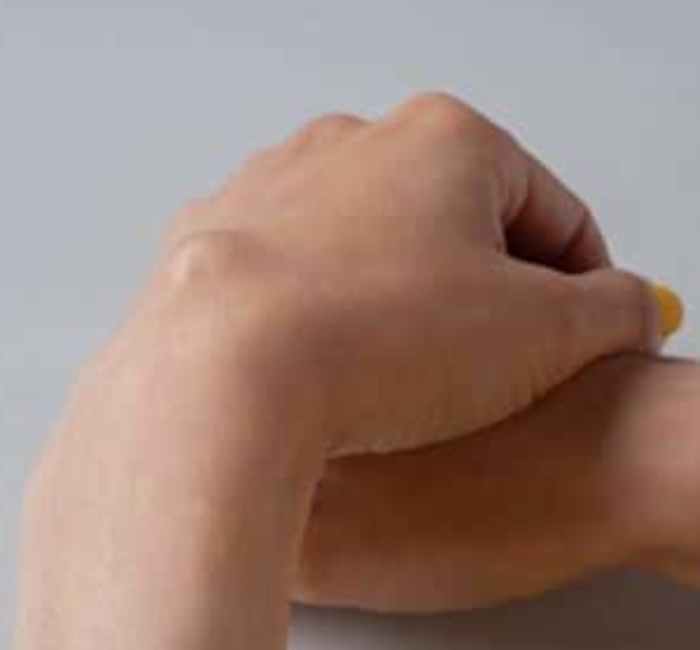
What Happens During the Procedure?
When local anesthesia is appropriate, the treatment area is numbed before removal.
The patient may feel the initial injection or pressure during the procedure, but the purpose of anesthesia is to reduce pain from the actual removal.
The clinician can explain what sensations to expect before starting.
Can You Feel Pressure?
Yes, some people may notice pressure, pulling, movement, or other sensations even when the area is numb.
Feeling pressure does not necessarily mean that the procedure is painful.
Patients should communicate with the clinician if they experience significant discomfort so that the situation can be addressed.
What About Pain Afterward?
Some tenderness can occur after the numbing effect wears off.
The degree of discomfort depends on the size and location of the wound and individual healing.
Patients should follow the aftercare instructions provided rather than taking medication without professional guidance.
Does a Larger Lipoma Hurt More to Remove?
Size can influence the complexity of removal, but it does not automatically determine how much pain a patient will experience.
Location, depth, surrounding tissue, and technique also matter.
A professional assessment is therefore more useful than predicting pain from size alone.
Which Areas May Feel More Sensitive?
Certain body regions may naturally be more sensitive or may experience greater movement and friction after treatment.
For example, a wound located near a joint may become noticeable during normal movement.
This is why the location of the lipoma is considered when planning the procedure and recovery.
What Can Make Recovery More Comfortable?
Following wound-care instructions can help reduce avoidable irritation.
Patients should keep the treated area protected as advised and avoid unnecessary pressure or friction.
If activity restrictions are recommended, following them can also support uncomplicated healing.
When Is Pain a Reason to Seek Medical Advice?
Mild tenderness can occur during normal recovery, but worsening or severe pain should not simply be ignored.
Increasing redness, swelling, discharge, fever, or other unusual symptoms can indicate a complication and should be discussed with a healthcare professional.
Should Fear of Pain Prevent Treatment?
Fear is understandable, but patients should not make decisions based solely on worst-case assumptions.
A consultation allows the clinician to explain the planned anesthesia, procedure, expected sensations, and recovery according to the specific lump.
Final Thoughts
Lipoma removal does not necessarily mean experiencing severe pain. Appropriate numbing and careful technique can help manage discomfort during suitable procedures, while some temporary tenderness may occur during recovery.
Because every lump and patient is different, the most accurate expectations come from an individual consultation rather than general assumptions about pain.
Comments