Can Earlobe Correction Surgery in Islamabad Improve Earlobe Proportions?
Earlobes naturally vary in size, shape, and attachment to the face. However, some people feel that their earlobes look too large, elongated, uneven, or disproportionate. Earlobe Correction Surgery in Islamabad may be considered when someone wants to improve the overall proportion and contour of the earlobes.
Unlike repairing a torn earlobe, proportion-focused correction may be performed for a different reason. The goal is not necessarily to fix an injury but to create a shape that better suits the patient's facial features.
What Does Earlobe Proportion Mean?
Proportion refers to how one feature relates visually to the surrounding structures. An earlobe can be completely healthy yet appear longer or larger than a person would prefer.
For example, someone may feel that the lower part of the ear extends too far downward. Another person may notice that one earlobe appears longer than the other. These concerns can be influenced by natural anatomy, aging, previous piercings, or changes in the skin.
A surgeon evaluates the ear as a whole rather than looking at the earlobe in isolation.
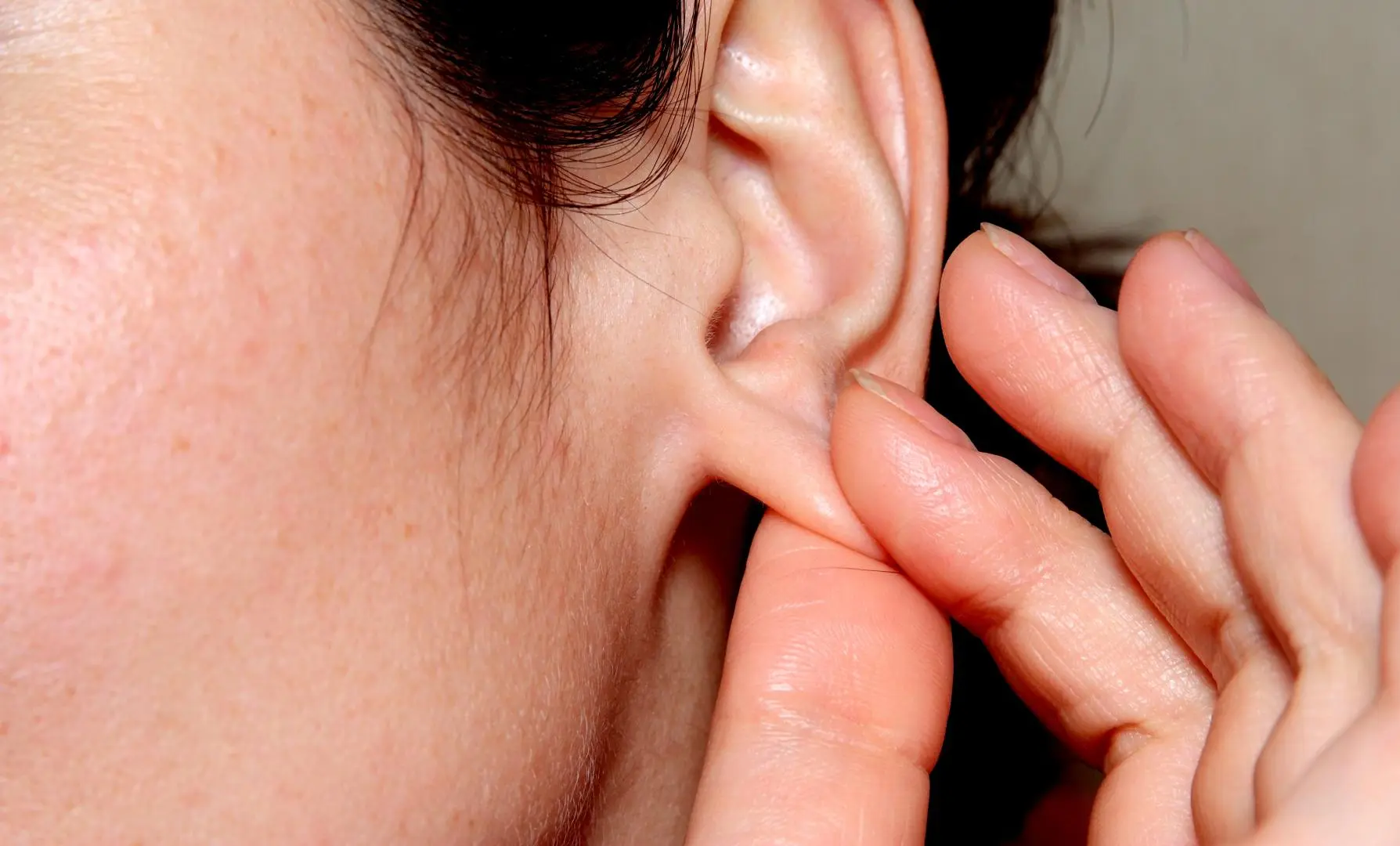
Why Can Earlobes Look Larger Over Time?
Earlobes can change with age. Skin gradually loses elasticity, and repeated stretching from earrings may also influence their appearance.
Other changes may follow significant weight fluctuations or previous injuries. In some people, however, the earlobes have simply always been larger or differently shaped than desired.
Understanding the cause is useful because the appropriate correction depends on what has produced the disproportion.
How Can Surgery Change Earlobe Shape?
The exact technique varies from patient to patient. During consultation, the surgeon can assess the height, width, thickness, attachment, and symmetry of each earlobe.
If reduction is appropriate, carefully planned tissue removal may be used to create a smaller or better-proportioned contour. The remaining tissue is then positioned and closed in a way intended to preserve a natural appearance.
The aim should be subtle improvement rather than making the earlobe look artificially small.
Can Both Earlobes Be Different?
Yes. It is common for ears to have some natural asymmetry. One earlobe may be slightly larger, longer, or positioned differently from the other.
If the difference is noticeable and bothersome, correction can be planned with symmetry in mind. This does not mean making both sides mathematically identical. Human facial features naturally contain small variations, and an overly aggressive attempt at perfect symmetry may produce an unnatural appearance.
Is This Only a Cosmetic Procedure?
Earlobe correction for proportion is usually performed for aesthetic reasons, although individual circumstances can vary. Some people may feel self-conscious about their ears, avoid certain hairstyles, or feel uncomfortable wearing particular jewelry.
The decision to undergo surgery should therefore be based on the individual's own concerns and expectations rather than pressure from others.
What Should Patients Discuss During Consultation?
A consultation provides an opportunity to explain exactly what feels disproportionate. Instead of simply saying that the earlobes are "too big," it can help to identify whether the concern relates to length, width, attachment, asymmetry, or overall shape.
Patients can also discuss whether they want to continue wearing earrings. This matters because the surgical plan may need to preserve an appropriate area for future piercing.
Will the Result Remain the Same Forever?
The structural correction is intended to be long-lasting. However, the appearance of skin can continue to change naturally with aging.
Future stretching can also occur if the repaired or reshaped lobe is exposed to repeated heavy earrings or trauma. Maintaining realistic expectations is therefore important.
Is There a Visible Scar?
Any surgical incision can leave a scar. Earlobe surgery involves a small area, and the surgeon generally places the incision in a location intended to make the scar less noticeable.
How a scar ultimately appears depends on individual healing, skin characteristics, aftercare, and the surgical technique. Patients should discuss scar expectations honestly before treatment.
Conclusion
Earlobe proportion can influence how a person feels about their overall appearance, even when there is no medical problem. When the size, length, or symmetry of the earlobes causes ongoing dissatisfaction, surgical correction may offer a way to refine their shape. A detailed consultation is essential for deciding what changes are realistic and how they can be achieved while preserving a natural-looking result.
Comments