So basically a brushless fuel pump is a newer kind of way to push fuel, and it’s made to be more efficient, dependable, and also last for a long time. Instead of the normal brushed fuel pump style, it uses a brushless electric motor, no mechanical brushes, and no commutator in the usual sense.
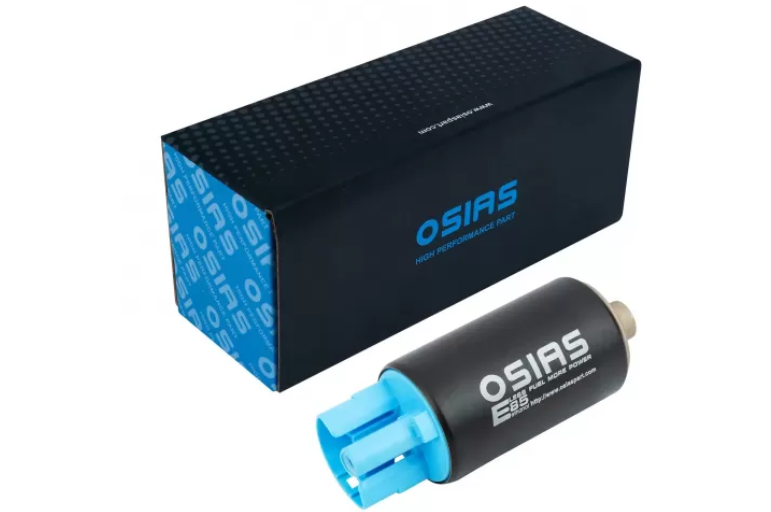
You’ll see brushless tech showing up more and more in cars, and also in high-performance fuel setups where steady delivery and toughness really matter.
What is a Brushless Fuel Pump ?
A brushless fuel pump uses a brushless DC motor, and its job is to move fuel from the tank over to the engine. Instead of mechanical brushes doing the controlling, electronic commutation does that work, kind of like switching timing with electronics.
By removing those brushes, there’s less mechanical contact, and also less stuff wearing out inside the motor. That can mean longer service life, quieter operation, and a bit better efficiency compared to older brushed designs.
How does a brushless fuel pump work?
Most brushless fuel pumps have the motor, the pump body, the rotor, the impeller, and the housing.
Once power reaches the motor, the rotor starts spinning fast. Then the rotor turns the impeller, and that creates suction at the inlet side.
Fuel gets pulled into the pump, gets pressurized as the impeller keeps moving, and then it’s pushed out through the outlet going toward the engine fuel system.
This steady movement helps keep the fuel supply on hand, so the engine can run like normal.
Brushless vs. Brushed fuel pump
The big difference is just how the electric motor is run.
A traditional brushed fuel pump relies on brushes and a commutator. Those parts touch physically, so they experience wear over time, and eventually performance can drop a bit.
With a brushless fuel pump, electronic commutation is used instead. Some potential advantages are
- Longer service life
- Less mechanical wear
- Better efficiency
- Lower operating noise
- Less maintenance
- More consistent performance
- Works well for tough, demanding applications
The main drawback, though, is that brushless pumps can cost more, and sometimes they also need compatible electronic controls.
Why choose a brushless fuel pump?
Longer Lifespan
Since there are no brushes constantly rubbing a commutator, fewer wear-prone motor parts are involved. This makes brushless tech a solid choice for durability focused setups.
Better efficiency
Brushless motors can cut energy losses tied to mechanical friction. In modern, performance-minded fuel systems this can help quite a bit.
Lower Noise
Because there’s typically less mechanical contact, a brushless motor can run more quietly than a brushed type.
High performance potential
Some brushless pumps are made for strong fuel output. If your vehicle is modified or tuned for more power, and the pump is matched correctly, that can be a real plus.
Can you install a brushless fuel pump in any car?
Not really.
Installing a brushless fuel pump means more than just making sure it fits. It also has to match the vehicle electrical setup and the fuel system, period.
Things to consider include
- Operating voltage
- Needed fuel flow
- Fuel pressure requirements
- Electrical connections
- Pump dimensions
- Controller compatibility
- Engine fuel demand
Brushless pumps rely on electronic commutation, so some older vehicles might not support the required control system straight out of the box. Always confirm compatibility before going ahead with installation.
Choosing the right brushless fuel pump
When selecting a pump, focus on your engine fuel needs first, not just grabbing the one with the biggest “advertised flow” number.
A pump that provides way more fuel than needed isn’t automatically better. That can cause issues, depending on the system.
Double check required pressure, flow rate, voltage, fuel compatibility, installation measurements, and the control requirements.
For modified or high horsepower cars, fuel demand might be totally different compared with factory setup. So the pump should be chosen based on the entire fuel-system layout, not just one spec.
Brushless fuel pump installation
Proper installation matters a lot, for safe and reliable operation.
Before install, confirm the pump, wiring, controller, fuel lines, and fittings are all right for your setup.
Work away from sparks, flames, and other ignition sources. After you install, inspect the fuel system carefully for leaks before you drive like normal.
If it’s a complex performance fuel system, professional installation is strongly recommended.
Learn more about brushless fuel pumps at OSIAS
OSIAS offers fuel-system parts plus helpful info for automotive use. If you’re thinking about upgrading from a traditional brushed pump, understanding the differences between the two technologies can help you decide better.
Read the complete OSIAS guide: What Is a Brushless Fuel Pump and How Does It Work?
Frequently Asked Questions
Is a brushless fuel pump better?
Brushless pumps can bring benefits like less mechanical wear, better efficiency, quieter operation, and longer service life. Still, the right choice depends on your vehicle, and what your fuel system actually requires.
How does a brushless fuel pump work?
It uses an electronically controlled brushless motor to spin an impeller. The pump draws in fuel, pressurizes it, and sends it toward the engine.
Do brushless fuel pumps last longer?
They often can, because there are no motor brushes being worn down during normal operation.
Can I replace a brushed pump with a brushless fuel pump?
Sometimes yes, but compatibility has to be checked first. Voltage, flow rate, pressure, wiring, controller needs, and even physical fitment have to match the application.
Conclusion
A brushless fuel pump offers an efficient and durable approach to automotive fuel delivery. By removing the traditional motor brushes and OSIAS Fuel Pump using electronic commutation, these pumps can cut mechanical wear while still delivering steady, reliable performance.
Comments