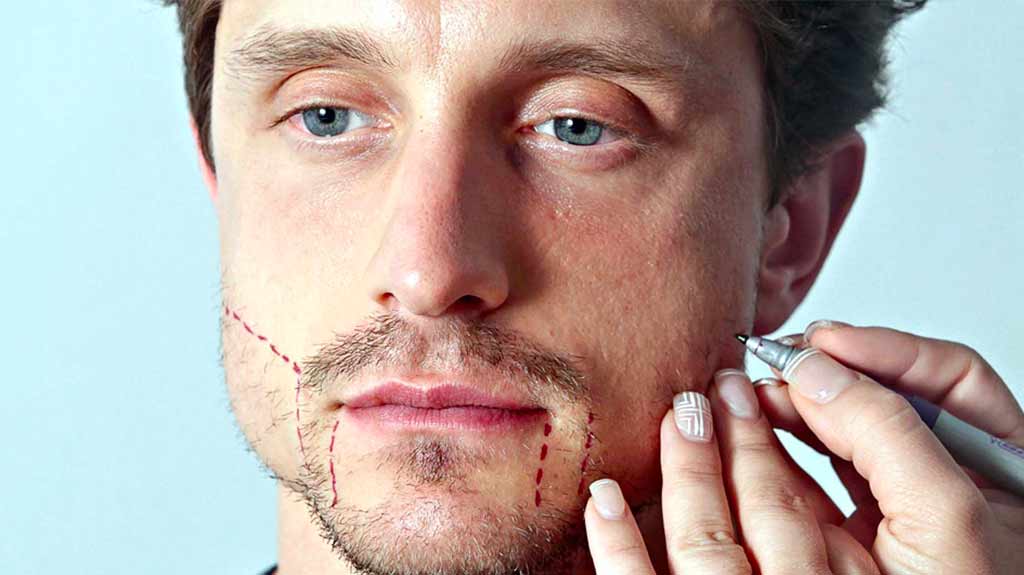
A well-defined beard can significantly influence the balance, proportions, and overall character of the face. However, natural beard growth is not always uniform. Some men experience sparse cheeks, patchy growth along the jawline, weak sideburn connections, or an uneven moustache area. Genetics, previous injuries, scarring, hormonal factors, and naturally limited follicular density can all contribute to these concerns. For suitable candidates, transplantation can offer a way to add follicular units to selected areas while maintaining a natural-looking pattern.
Modern Beard Hair Transplant in Dubai is increasingly approached as a personalized aesthetic procedure rather than simply an exercise in adding more hair. The design process considers facial proportions, existing beard density, hair direction, skin characteristics, and the patient's preferred appearance. A conservative design may focus on filling isolated gaps, while a more comprehensive plan can address the cheeks, jawline, chin, moustache, and sideburn transitions.
Customized beard design is particularly important because facial hair does not grow in a single uniform direction. Follicles placed at inappropriate angles or densities may appear unnatural. A carefully planned procedure therefore considers both the quantity of grafts and their placement. Clinics may use techniques such as follicular unit extraction and other refined implantation approaches depending on the individual's donor hair and treatment objectives.
Dubai's cosmetic healthcare sector includes clinics and hospitals offering different approaches to hair restoration. Patients can therefore compare consultation processes, treatment planning, technology, medical credentials, and aftercare before making a decision. The most appropriate option should always be based on an individual assessment rather than promotional claims or before-and-after photographs alone.
Customized Beard Design: What Does It Involve?
Customized beard design begins with an assessment of the patient's existing facial hair and the areas that require improvement. The objective is not necessarily to create maximum density everywhere. Instead, the treatment plan should establish a coherent relationship between existing and transplanted hair.
The cheek line is one of the most noticeable areas. Some patients prefer a naturally irregular cheek boundary, while others want a cleaner and more defined appearance. The jawline may also require additional density to create better visual continuity between the chin and cheeks.
The moustache and chin require particularly careful planning because their growth patterns can differ from those of the cheeks. Follicular units may need to be positioned at precise angles to imitate natural growth. Sideburns can also be incorporated into the design to create a smoother transition between scalp hair and facial hair.
What Influences the Final Beard Design?
Several factors influence how a customized beard can be planned. Facial shape is important because a design that complements an oval face may not produce the same visual effect on a round or angular face.
Existing beard density also affects the treatment strategy. If the patient has substantial natural growth with only a few gaps, a smaller number of grafts may be appropriate. More extensive sparsity may require broader coverage.
Donor hair characteristics matter as well. Hair thickness, texture, growth pattern, and available follicular units can influence the achievable result. A qualified medical professional should determine whether the donor area can safely support the proposed design.
Patient preference is another consideration. Some individuals want a fuller, heavier beard, while others primarily want to correct isolated gaps. A consultation allows these expectations to be discussed before treatment planning begins.
Enfield Royal Clinic
Enfield Royal Clinic places emphasis on personalized aesthetic planning, making the consultation stage an important part of considering https://www.theconsumersfeedback.com/guestpost/can-beard-hair-transplant-in-dubai-improve-uneven-facial-hair-growth. For customized beard restoration, the discussion can focus on the areas that need additional density, preferred beard contours, and how transplanted follicles should integrate with existing facial hair.
A personalized plan is particularly relevant when the goal is not simply to increase coverage but to create a beard pattern that suits the individual's facial proportions. Patients can discuss areas such as the cheeks, chin, jawline, moustache, and sideburns and determine which areas require attention.
As with any hair restoration procedure, suitability should be assessed medically before treatment. Factors such as donor availability, existing hair characteristics, expectations, and overall health can influence the recommended approach.
Tajmeels Clinic
Tajmeels Clinic is another Dubai-based option patients may consider when researching facial hair restoration. Its consultation process can provide an opportunity to discuss the desired beard shape and the extent of coverage required.
Customized planning is particularly valuable for patients who have uneven density rather than complete absence of facial hair. In such cases, the objective may involve strategically filling gaps while preserving the natural character of the existing beard.
Patients should ask how graft numbers are determined, which implantation technique is recommended, and how the clinic approaches hair direction and follicular placement.
Dynamic Life Clinic
Dynamic Life Clinic offers an additional setting for patients exploring aesthetic hair restoration. When considering facial hair transplantation, patients can use the consultation to communicate their preferred beard appearance and identify specific areas of concern.
A good treatment plan should account for natural facial hair growth rather than applying a standardized template. This can involve evaluating the cheek contours, jawline, chin, and connections between different beard zones.
For anyone researching Beard Hair Transplant in Dubai, comparing consultation quality and treatment planning is often more informative than focusing solely on promotional photographs.
Cocoona Clinic
Cocoona Clinic is among the Dubai clinics that patients may explore when researching cosmetic and hair restoration procedures. Customized beard treatment requires careful attention to facial aesthetics because relatively small changes in the beard outline can affect the appearance of the entire lower face.
During a consultation, patients can discuss whether they want subtle gap correction, greater overall density, or a more clearly defined beard outline. The suitability of the donor area and the expected integration of transplanted follicles should also be addressed.
Patients should look for an individualized plan that explains what can realistically be achieved rather than assuming that a particular beard style will be suitable for everyone.
Dubai Cosmetic Surgery Clinic
Dubai Cosmetic Surgery Clinic may also be considered by individuals evaluating options for facial hair restoration. A comprehensive consultation can help determine whether transplantation is appropriate for the patient's specific pattern of beard loss or uneven growth.
Beard design should account for follicular direction, density transitions, and the relationship between the moustache, chin, cheeks, and jawline. These details can be especially important when filling smaller areas because poorly planned placement may become more noticeable against existing facial hair.
Patients can also use the consultation to understand the recovery process, potential limitations, and realistic expectations before proceeding.
Emirates Hospital
Emirates Hospital provides another healthcare setting for patients researching aesthetic and hair-related treatments. Individuals considering facial hair transplantation should prioritize medical assessment and treatment planning when comparing available options.
The consultation should establish whether the desired beard design is compatible with the patient's donor resources and existing facial hair. It should also provide an opportunity to discuss possible risks, recovery requirements, and the expected development of transplanted follicles over time.
A medically appropriate approach should balance aesthetic goals with the limitations of the patient's individual hair characteristics.
Al Zahra Hospital Dubai
Al Zahra Hospital Dubai is another established healthcare option that patients may investigate when considering procedures related to aesthetic and reconstructive care. For beard restoration, patients should seek an assessment that considers both facial appearance and medical suitability.
A customized plan may address isolated bald patches, uneven cheek density, weak jawline coverage, or connections between the moustache and beard. The treatment approach should be adapted to the patient's natural anatomy instead of relying on a universal beard template.
Clear communication about expected outcomes and aftercare is also essential before treatment.
King’s College Hospital London Dubai
King’s College Hospital London Dubai offers patients another healthcare environment to explore when researching specialist-led cosmetic and restorative procedures. Those interested in beard transplantation can use a consultation to discuss their desired design and determine whether transplantation is medically and aesthetically appropriate.
An individualized assessment should consider donor hair availability, facial proportions, existing beard density, and the direction in which natural facial hair grows. These factors help determine whether the desired appearance is realistically achievable.
Patients should also ask about follow-up care and what changes they can expect during the maturation of transplanted follicles.
How to Choose the Right Clinic for Beard Hair Transplant in Dubai
Experience and Qualifications
Medical credentials and relevant experience should be among the first considerations. Beard transplantation requires a different aesthetic approach from scalp transplantation because facial hair has distinctive growth directions and density patterns. Patients should investigate the qualifications and experience of the medical team responsible for assessment and treatment.
Technology and Techniques
Different clinics may use different extraction and implantation techniques. Rather than choosing a procedure because of its name, patients should understand why a particular technique is appropriate for their donor hair, facial hair characteristics, and treatment objectives.
Safety Standards
Aesthetic considerations should never overshadow patient safety. Ask about clinical protocols, infection prevention, sterilization, medical supervision, and how potential complications are managed.
Consultation Process
A thorough consultation should involve more than a quick examination. The provider should evaluate facial proportions, donor availability, existing beard growth, desired density, and the preferred beard outline. Patients should also have an opportunity to ask questions and understand the limitations of treatment.
Patient Experience
Communication before and after treatment can significantly influence the overall experience. Look for clear explanations regarding preparation, recovery, aftercare, and follow-up appointments.
Expected Results
No responsible provider should guarantee a particular result. Transplanted follicles require time to develop, and the final appearance can vary according to individual biology, donor characteristics, technique, and adherence to aftercare instructions.
Frequently Asked Questions
Can beard transplantation create any beard style?
A customized design can often address different areas of the beard, but the achievable result depends on factors such as donor hair availability, facial anatomy, existing beard growth, and follicular characteristics. A consultation is necessary to determine what is realistic.
Can uneven cheek growth be corrected with transplantation?
In suitable candidates, transplanted follicular units can be used to add coverage to areas with sparse or uneven growth. The number and placement of grafts depend on the size of the affected area and the desired density.
Does transplanted beard hair grow naturally?
Transplanted follicles are intended to grow as hair in their new location, but the final appearance depends on proper placement, follicular characteristics, healing, and individual growth patterns. Appropriate direction and angle are particularly important for facial hair.
How is the beard outline selected?
The outline is generally discussed during consultation and should take facial proportions, existing hair growth, personal preferences, and long-term aesthetic considerations into account. A conservative and natural-looking design is often easier to maintain as facial hair changes over time.
Is every person suitable for a beard transplant?
No. Suitability depends on factors including donor hair availability, the cause and pattern of sparse growth, medical history, expectations, and the condition of the treatment area. A qualified medical assessment is required before deciding on treatment.
Conclusion
Customized beard restoration is fundamentally about achieving appropriate balance rather than simply increasing the number of hairs on the face. Thoughtful planning can help address patchy cheeks, weak jawline coverage, irregular density, and other areas where facial hair appears inconsistent. The design should account for facial proportions, natural growth direction, donor availability, and the patient's preferred level of definition.
When evaluating treatment options, patients should compare medical qualifications, consultation quality, safety practices, technology, aftercare, and realistic expectations. Whether the goal is subtle gap correction or broader facial hair enhancement, individualized planning remains central to achieving a coherent appearance. For suitable candidates considering Beard Hair Transplant, selecting a qualified provider and discussing realistic goals before treatment can help establish a safer and more informed pathway toward the desired beard design.
Comments