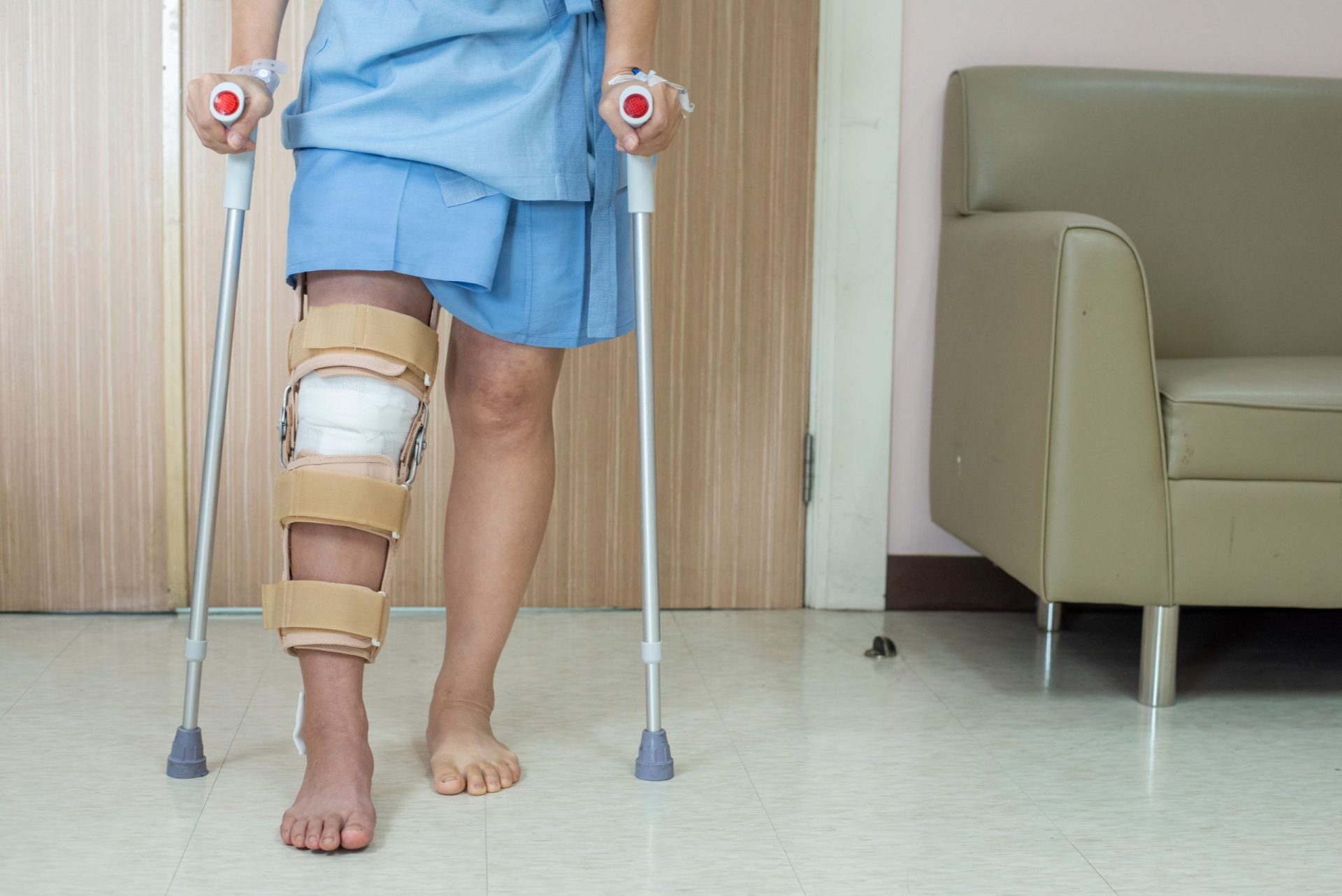
An anterior cruciate ligament (ACL) injury is one of the most common knee injuries affecting athletes and physically active individuals. The ACL plays an important role in maintaining knee stability, controlling rotational movements, and supporting activities such as walking, running, jumping, and changing direction. When this ligament becomes stretched or torn, it can affect knee function and make everyday movements challenging.
ACL injuries can occur during sports activities, sudden changes in direction, awkward landings, or unexpected twisting movements. Depending on the severity of the injury, individuals may experience pain, swelling, instability, and difficulty putting weight on the affected leg. Recovering from an ACL injury requires a structured approach that focuses on restoring knee strength, improving mobility, and rebuilding confidence during movement.
Choosing appropriate ACL injury treatment in dubai begins with understanding the extent of the injury and identifying individual rehabilitation requirements. Physiotherapy plays an important role in supporting recovery through targeted strengthening, balance training, mobility exercises, and progressive functional rehabilitation.
At Vitruvian Italian Physiotherapy Center, the focus is on personalized physiotherapy approaches designed to improve movement, restore physical strength, and support patients throughout their rehabilitation journey. Understanding treatment options and the factors influencing ACL injury treatment cost in dubai can also help individuals make informed decisions about their recovery.
Understanding the ACL and Its Role in Knee Stability
The anterior cruciate ligament is one of the major ligaments inside the knee joint. It connects the thigh bone (femur) to the shin bone (tibia) and helps control the forward movement and rotation of the tibia.
The ACL works together with other ligaments, muscles, and joint structures to maintain knee stability during physical activities.
Its main functions include:
- Supporting knee stability during walking and running.
- Controlling excessive forward movement of the shin bone.
- Helping manage rotational knee movements.
- Supporting balance during sudden changes in direction.
- Contributing to controlled landing and jumping movements.
- Maintaining coordination during sports activities.
When the ACL becomes injured, the knee may lose some of its normal stability. This can affect athletic performance and everyday movement.
Understanding how the ligament functions is an important part of planning effective ACL injury treatment in dubai.
Common Causes of ACL Injuries
ACL injuries often occur during activities that involve sudden changes in movement, high physical demands, or unexpected pressure on the knee.
Although contact sports can contribute to these injuries, many ACL tears occur without direct contact with another person.
Some common causes include:
Sudden Direction Changes
Quickly changing direction while running or playing sports can place significant rotational stress on the knee.
Awkward Landings
Landing incorrectly after jumping may cause the knee to twist or move beyond its normal range.
Sudden Stops
Stopping abruptly while running can place considerable stress on the knee joint and supporting ligaments.
Pivoting Movements
Turning the body while the foot remains planted can increase rotational forces around the knee.
Sports-Related Injuries
Football, basketball, tennis, skiing, and other activities involving jumping, pivoting, and rapid acceleration can increase ACL injury exposure.
Previous Knee Injuries
A history of knee injuries or reduced muscular control may influence joint stability and movement patterns.
Identifying how the injury occurred helps healthcare professionals understand the patient's condition and determine suitable rehabilitation strategies.
Recognizing the Symptoms of an ACL Injury
ACL injuries can produce different symptoms depending on whether the ligament is partially or completely torn and whether other knee structures are affected.
Common symptoms include:
- A popping sensation at the time of injury.
- Sudden knee pain.
- Swelling that develops within the first few hours.
- Difficulty putting weight on the affected leg.
- A feeling of instability or the knee giving way.
- Reduced knee movement.
- Difficulty walking normally.
- Discomfort during twisting or turning movements.
Some individuals may experience significant swelling and difficulty walking immediately after an injury, while others may notice instability during sports or physical activities.
A professional assessment is important because other knee conditions, including meniscus injuries and ligament damage, can produce similar symptoms.
Different Grades of ACL Injuries
ACL injuries are commonly classified according to the extent of ligament damage. Understanding these classifications helps healthcare professionals determine appropriate treatment options.
Grade 1: Mild ACL Injury
A Grade 1 injury involves stretching of the ligament without a complete tear. The ACL generally maintains its ability to support knee stability, although some discomfort may occur.
Grade 2: Partial ACL Tear
A Grade 2 injury involves partial tearing of the ligament. The knee may experience some instability, and rehabilitation requirements may be more extensive.
Grade 3: Complete ACL Tear
A Grade 3 injury involves a complete tear of the ligament. Knee stability may be significantly affected, particularly during pivoting and other demanding movements.
The appropriate management plan depends on the injury grade, associated damage, activity requirements, and individual goals. Some patients may benefit from structured rehabilitation without surgery, while others may require surgical reconstruction followed by physiotherapy.
Why Physiotherapy Is Important for ACL Recovery
Physiotherapy is an essential component of ACL rehabilitation, whether a patient follows a non-surgical treatment approach or undergoes ACL reconstruction.
The rehabilitation process focuses on gradually restoring the knee's strength, mobility, stability, and functional capacity.
A personalized physiotherapy program may help:
- Restore normal knee movement.
- Improve quadriceps and hamstring strength.
- Strengthen the muscles surrounding the knee.
- Improve balance and coordination.
- Develop better movement control.
- Restore walking and stair-climbing abilities.
- Improve confidence during physical activities.
- Prepare individuals for a gradual return to sports.
At Vitruvian Italian Physiotherapy Center, treatment focuses on understanding individual physical limitations and developing suitable exercise-based rehabilitation programs.
Professional ACL injury treatment in dubai should consider the patient's stage of recovery, current strength, knee stability, and personal activity goals.
Stages of ACL Injury Rehabilitation
ACL rehabilitation is a gradual process. Each stage focuses on specific recovery goals, and progression depends on the patient's physical condition rather than following a fixed timeline.
Stage 1: Managing Initial Pain and Swelling
The first stage focuses on managing symptoms and protecting the injured knee.
After an ACL injury, swelling and discomfort can restrict movement and make walking difficult.
Treatment goals may include:
- Managing knee swelling.
- Improving comfort.
- Restoring gentle knee movement.
- Supporting appropriate weight-bearing.
- Maintaining activation of surrounding muscles.
Depending on the injury, a healthcare professional may recommend suitable support or temporary activity modifications.
Gentle exercises may include ankle movements, quadriceps activation, and comfortable knee mobility activities.
Stage 2: Restoring Knee Mobility
Once initial symptoms begin to settle, rehabilitation focuses on improving the knee's range of motion.
Restricted knee movement can affect walking, sitting, standing, and other daily activities.
Physiotherapy may include:
- Gentle knee bending exercises.
- Controlled knee extension movements.
- Heel slides.
- Quadriceps activation.
- Suitable flexibility exercises.
Restoring full knee extension is particularly important for developing a more natural walking pattern.
Stage 3: Rebuilding Muscle Strength
Muscle strengthening is a major part of ACL rehabilitation. The quadriceps, hamstrings, gluteal muscles, and calf muscles all contribute to knee stability and lower-limb movement.
Common strengthening exercises include:
Quadriceps Strengthening
The quadriceps muscles support knee extension and play an important role in walking, standing, and climbing stairs.
Hamstring Strengthening
The hamstrings help control knee movement and support the lower limb during different physical activities.
Glute Strengthening
Strong gluteal muscles help control hip and knee alignment during walking, running, and landing.
Calf Strengthening
Calf exercises improve lower-limb strength and support walking and balance.
Controlled Squats
Suitable squat variations help develop lower-body strength and improve movement control.
Exercise intensity should increase gradually according to the patient's progress and professional guidance.
Stage 4: Improving Balance and Knee Stability
Balance and coordination are essential for maintaining knee stability during everyday activities and sports.
ACL injuries can affect the body's ability to control movement, particularly during single-leg activities.
Physiotherapy may include:
- Single-leg balance exercises.
- Controlled weight-shifting activities.
- Stability exercises.
- Step-up and step-down movements.
- Proprioception training.
- Controlled single-leg strengthening.
These exercises help improve awareness of joint position and muscular coordination.
Stage 5: Functional Movement Training
Once adequate strength and movement control have been developed, rehabilitation may progress towards more demanding functional activities.
Depending on the patient's condition, exercises may include:
- Controlled step movements.
- Walking progression.
- Low-impact functional drills.
- Squat variations.
- Lunging exercises.
- Movement coordination activities.
The objective is to prepare the knee for everyday physical demands while maintaining appropriate movement quality.
Stage 6: Returning to Sports and Physical Activities
Returning to sports requires more than simply feeling less pain. The knee must demonstrate sufficient strength, stability, coordination, and functional performance.
Sport-specific rehabilitation may include:
- Gradual running progression.
- Controlled jumping exercises.
- Landing technique training.
- Direction-change drills.
- Acceleration and deceleration activities.
- Sport-specific movement patterns.
Return-to-sport decisions should be based on clinical assessment and functional testing rather than time alone.
ACL Rehabilitation After Surgery
Some individuals with ACL injuries require surgical reconstruction, particularly when knee instability affects their activity requirements or other knee structures are damaged.
Surgery involves reconstructing the ligament using a graft. However, the procedure is only one part of the overall recovery process.
Post-surgical physiotherapy is important for restoring knee function and gradually rebuilding physical strength.
The rehabilitation program may focus on:
Early Post-Surgical Movement
Initial exercises aim to manage swelling, restore knee extension, and gradually improve bending.
Quadriceps Activation
Strengthening the quadriceps is important because these muscles may become weak after surgery.
Progressive Weight-Bearing
Walking and weight-bearing activities are progressed according to surgical instructions and individual recovery.
Strength Development
Targeted exercises gradually improve the strength of the quadriceps, hamstrings, glutes, and calf muscles.
Balance Training
Balance exercises help restore coordination and improve lower-limb control.
Functional Rehabilitation
Later stages focus on walking, running, jumping, and other activities required for daily life or sports.
At Vitruvian Italian Physiotherapy Center, an individualized rehabilitation approach can support patients through the different stages of post-surgical recovery.
ACL Injury Treatment Cost in Dubai: What Influences the Price?
The ACL injury treatment cost in dubai varies depending on the type of injury, treatment approach, rehabilitation requirements, and recovery duration.
Some patients may require physiotherapy alone, while others may need surgical reconstruction followed by an extended rehabilitation program.
Several factors can influence the overall treatment expenses.
Initial Consultation and Assessment
The first assessment may involve reviewing the injury history, evaluating knee movement, examining muscle strength, and identifying functional limitations.
Severity of the Injury
A partial ACL tear may require a different treatment approach from a complete ligament rupture or an injury involving multiple knee structures.
Surgical Requirements
If ACL reconstruction is recommended, surgical expenses may include the surgeon's fees, hospital charges, anesthesia, and other associated medical costs.
Number of Physiotherapy Sessions
The number of sessions required depends on the patient's recovery progress, treatment approach, and rehabilitation goals.
Rehabilitation Techniques
The ACL injury treatment cost in dubai may also depend on the types of physiotherapy services included, such as manual therapy, strengthening exercises, balance training, and functional rehabilitation.
Post-Surgical Recovery
Patients undergoing surgery may require several stages of supervised rehabilitation to restore strength, mobility, and functional performance.
Individual Recovery Goals
Someone returning to competitive sports may need more advanced rehabilitation and functional testing than someone focusing mainly on everyday mobility.
When comparing the ACL injury treatment cost in dubai, it is important to consider the complete treatment journey rather than focusing only on individual session prices.
For accurate physiotherapy pricing, patients can contact Vitruvian Italian Physiotherapy Center and discuss their specific rehabilitation requirements.
How to Choose the Best ACL Injury Treatment in Dubai
Finding the Best ACL injury treatment in dubai involves understanding the injury, evaluating available treatment approaches, and selecting a rehabilitation program that matches individual needs.
A suitable treatment plan should consider the patient's knee stability, physical activity levels, associated injuries, and long-term goals.
Important factors include:
Comprehensive Knee Assessment
A detailed examination helps identify the extent of movement restrictions, muscle weakness, and instability.
Personalized Rehabilitation
Every ACL injury is different. Treatment should be adjusted according to the patient's recovery stage and physical abilities.
Qualified Physiotherapy Professionals
Professional knowledge and experience are important when selecting appropriate rehabilitation techniques.
Progressive Strength Training
A structured strengthening program helps restore the muscles that support knee stability and movement.
Balance and Coordination Training
These exercises help improve joint control and prepare patients for more demanding activities.
Regular Progress Evaluation
Monitoring strength, mobility, and functional performance helps guide rehabilitation progression.
Return-to-Sport Preparation
Athletes require appropriate functional assessment before returning to demanding sports activities.
Vitruvian Italian Physiotherapy Center emphasizes personalized rehabilitation approaches designed to support better movement, muscular strength, and functional recovery.
The Role of Balance and Coordination in Knee Recovery
Balance and coordination are important for maintaining control during walking, running, jumping, and changing direction.
After an ACL injury, individuals may experience reduced confidence when placing weight on the affected leg. Rehabilitation exercises help improve the coordination between muscles and the nervous system.
Some commonly used exercises include:
Single-Leg Standing
This exercise helps improve balance and awareness of lower-limb positioning.
Balance Pad Exercises
A suitable unstable surface may be introduced to challenge muscular coordination and joint control.
Controlled Step-Downs
Step-down exercises help improve knee alignment and control during weight-bearing movements.
Dynamic Balance Training
Gradual movement-based balance activities prepare individuals for more demanding functional tasks.
Landing Technique Training
For athletes, learning appropriate landing mechanics is an important part of preparing for a return to sports.
These exercises should be introduced at suitable stages of recovery and adjusted according to individual performance.
Preventing Future ACL Injuries Through Proper Conditioning
Although no exercise program can completely eliminate the possibility of an ACL injury, appropriate conditioning can help improve movement control and prepare the body for physical activity.
Preventive training often focuses on strength, balance, coordination, and landing mechanics.
Useful training elements include:
- Strengthening the quadriceps and hamstrings.
- Developing gluteal muscle strength.
- Improving single-leg balance.
- Practising controlled jumping and landing.
- Improving hip and knee alignment.
- Developing flexibility and mobility.
- Increasing sports training intensity gradually.
- Maintaining appropriate recovery between demanding sessions.
Athletes may benefit from structured neuromuscular training programs that improve the way the lower limbs respond during jumping, landing, and directional changes.
These strategies can complement the long-term goals of ACL injury treatment in dubai and help individuals develop better movement habits.
Why Choose Vitruvian Italian Physiotherapy Center for ACL Rehabilitation?
Choosing the right physiotherapy center is an important part of the ACL recovery journey. Rehabilitation requires a structured approach that considers the patient's injury, treatment history, physical abilities, and personal goals.
Vitruvian Italian Physiotherapy Center focuses on personalized physiotherapy approaches designed to support improved mobility, strength, stability, and functional performance.
The rehabilitation approach emphasizes:
- Individualized Care: Treatment programs are developed according to each patient's condition and recovery requirements.
- Targeted Strengthening: Exercises focus on rebuilding the muscles supporting the knee joint.
- Mobility Improvement: Suitable movements help restore comfortable knee function.
- Balance Training: Rehabilitation focuses on improving coordination and lower-limb control.
- Progressive Exercise Programs: Activities are adjusted according to recovery progress.
- Functional Rehabilitation: Treatment prepares patients for everyday activities and suitable physical demands.
- Professional Guidance: Patients receive guidance on performing exercises correctly and progressing safely.
For individuals exploring the Best ACL injury treatment in dubai, a personalized physiotherapy program can provide structured support throughout the recovery process.
The center also encourages patients to understand their treatment requirements and discuss the factors influencing the ACL injury treatment cost in dubai before beginning rehabilitation.
Conclusion
An ACL injury can affect knee stability, muscular strength, mobility, and the ability to participate in everyday activities. Whether the injury is managed through conservative treatment or surgical reconstruction, a structured rehabilitation program is essential for supporting recovery.
Physiotherapy helps individuals progress through different stages of knee rehabilitation, including swelling management, mobility improvement, muscle strengthening, balance training, and functional movement development.
Choosing appropriate ACL injury treatment in dubai involves understanding the severity of the injury and selecting a treatment approach that reflects individual physical needs. Considering the ACL injury treatment cost in dubai can also help patients plan their rehabilitation journey.
At Vitruvian Italian Physiotherapy Center, personalized physiotherapy focuses on helping individuals rebuild knee strength, improve stability, and regain confidence in movement. With professional guidance and consistent rehabilitation, patients can work towards better knee function and a gradual return to their preferred activities.
Comments