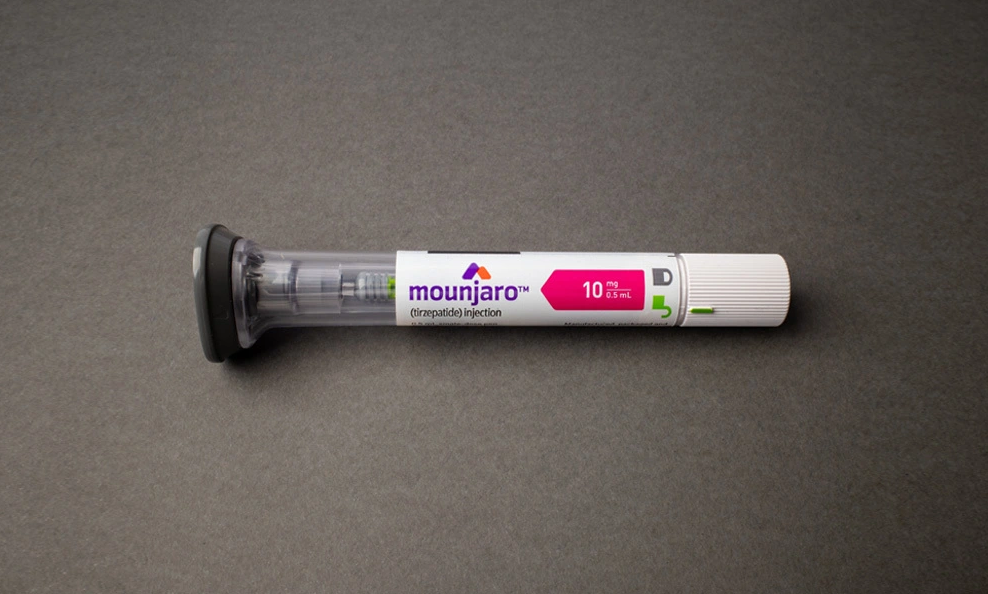
Choosing the right healthcare setting for a weight management treatment can make a meaningful difference in how confident, informed, and supported you feel throughout your journey. While medication can be an important part of a structured weight management approach, the quality of guidance surrounding treatment is equally important. From understanding whether a treatment is appropriate for your needs to receiving ongoing support, every stage should be approached with care and professionalism. This is where selecting a trusted healthcare environment becomes valuable. For people exploring Mounjaro Injection in Dubai as part of a medically guided weight management plan, having access to personalized information, appropriate monitoring, and clear communication can help create a more reassuring experience. A patient-focused approach can also make it easier to understand how treatment fits into broader lifestyle goals. Rather than focusing solely on medication, a comprehensive approach considers individual circumstances, expectations, progress, and long-term objectives. Choosing a suitable provider therefore involves looking beyond the treatment itself and considering the overall standard of care and patient experience.
Personalized Treatment Guidance
Every person approaches weight management with different goals, circumstances, and expectations. A personalized consultation allows treatment decisions to be considered in relation to individual needs rather than relying on a one-size-fits-all approach.
A professional assessment can help determine whether the treatment is suitable and what factors should be considered before beginning. This creates an opportunity to discuss relevant health information, previous weight management efforts, lifestyle habits, and personal objectives. Clear guidance can also help patients understand what to expect from their treatment journey.
Personalization is particularly valuable because weight management is rarely influenced by one factor alone. Nutrition, physical activity, lifestyle patterns, medical history, and individual responses can all play a role.
Focus on Patient Safety
Safety should remain a central consideration whenever prescription-based weight management treatment is being explored. A responsible healthcare setting places appropriate assessment and monitoring at the heart of the patient experience.
Before treatment, patients should have the opportunity to discuss relevant medical information and understand whether the approach is appropriate for them. Professional oversight can help identify considerations that may affect treatment decisions and ensure that patients receive suitable guidance throughout their journey.
A safety-focused approach also means encouraging patients to communicate openly about concerns or changes they experience during treatment. This helps create a more transparent relationship between the patient and healthcare team.
Professional and Clear Consultations
Understanding a treatment is just as important as receiving it. Clear consultations can help patients make informed decisions by explaining the purpose of treatment, how it fits into a weight management strategy, and what expectations are realistic.
A professional consultation should provide enough time for patients to ask questions and discuss their individual goals. Instead of leaving patients uncertain about the next stage, effective communication gives them a clearer understanding of their treatment plan.
This level of transparency can be especially reassuring for individuals who are considering prescription weight management for the first time. When information is communicated in straightforward language, patients can feel more confident about participating in decisions related to their care.
Comprehensive Weight Management Approach
Medication alone does not define successful weight management. Sustainable progress often involves a broader strategy that considers everyday habits and long-term behavioral changes.
A comprehensive approach can help patients understand how treatment may work alongside healthier nutritional choices, appropriate physical activity, sleep habits, and other lifestyle factors. This can shift the focus from short-term results toward building habits that support continued wellbeing.
By considering the wider picture, patients can develop a more realistic understanding of their weight management journey. The objective is not simply to focus on numbers on a scale but to encourage healthier routines and informed choices that can support long-term goals.
Ongoing Progress Monitoring
Regular follow-up can be an important part of medically guided weight management. Individual responses can vary, so monitoring progress allows the healthcare team to assess how the treatment journey is developing.
Follow-up appointments provide an opportunity to review progress, discuss questions, evaluate changing goals, and make appropriate decisions when necessary. This ongoing communication can also help patients remain engaged with their treatment plan.
Monitoring should be viewed as more than simply tracking weight. Changes in lifestyle habits, overall progress, personal experiences, and treatment objectives can all provide useful information when evaluating the journey.
Convenient Patient Experience
Convenience can influence how consistently patients engage with their treatment plan. A healthcare environment that prioritizes an organized and patient-friendly experience can make consultations and follow-up appointments easier to manage.
From the initial consultation to ongoing communication, every interaction contributes to the overall patient experience. Clear appointment processes, accessible information, and attentive support can reduce unnecessary uncertainty.
A convenient experience does not mean compromising on medical standards. Instead, it combines professional care with an approach designed around patient needs, making it easier to remain committed to a structured treatment journey.
Support for Long-Term Goals
Weight management is a journey rather than a single event. Patients often need guidance that extends beyond the initial decision to begin treatment. Long-term support can help individuals remain focused on sustainable objectives while adapting their approach as their circumstances change.
A strong healthcare experience encourages realistic expectations and emphasizes consistency. Patients can benefit from understanding that meaningful progress may involve gradual changes and continued attention to healthy habits.
This focus on long-term goals can make treatment feel more purposeful. Rather than viewing medication as an isolated solution, patients can understand its place within a broader strategy designed to support healthier living.
How to Choose the Right Weight Management Provider
Selecting a suitable provider requires consideration of more than the treatment being offered. Patients should look for a healthcare environment that emphasizes professional assessment, personalized guidance, clear communication, and appropriate follow-up.
Important factors to consider include the quality of the initial consultation, the availability of ongoing monitoring, the approach to individualized treatment planning, and how clearly information is communicated. Patients should also feel comfortable asking questions and discussing their expectations before making a treatment decision.
A provider that prioritizes patient education can help individuals understand their options and participate more confidently in their care. It is also worthwhile to consider whether the overall approach supports long-term lifestyle goals rather than focusing exclusively on immediate results.
Frequently Asked Questions
Is this treatment suitable for everyone?
No. Suitability depends on individual health circumstances, medical history, treatment goals, and other relevant factors. A professional consultation is important before starting any prescription-based treatment.
Why is personalized guidance important?
Individual responses and healthcare needs can differ significantly. Personalized guidance allows treatment decisions and expectations to be considered according to the patient's specific circumstances.
Does weight management involve more than medication?
Yes. A broader strategy may include nutritional habits, physical activity, behavioral changes, and other lifestyle factors alongside medically appropriate treatment.
Why are follow-up appointments important?
Follow-ups provide an opportunity to review progress, discuss concerns, assess changing goals, and determine whether any adjustments to the treatment approach are appropriate.
What should I discuss during my consultation?
Patients can discuss their weight management goals, relevant medical history, current medications, lifestyle habits, expectations, and any questions they have about the proposed treatment.
Book Us
If you are looking for a professional and patient-focused setting to discuss your weight management goals, Enfield Royal Clinic Dubai provides an opportunity to explore suitable treatment options through personalized consultation and guidance. Our approach focuses on understanding individual needs, providing clear information, and supporting patients throughout their Mounjaro Injection treatment journey. Contact Enfield Royal Clinic Dubai to arrange a consultation and take the next informed step toward a structured approach to weight management.
Comments